Does My Child Really Need Two Phases of Braces?
Does My Child Really Need Two Phases of Braces?
If your child's dentist or another orthodontist has recommended early orthodontic treatment, you may be wondering whether your child really needs braces or an expander now, especially if they will likely need braces again as a teenager. For many parents, this raises an important question: Is it better to start orthodontic treatment early, or can we wait and complete everything in one phase?
The answer depends on your child's specific orthodontic needs. At Life Orthodontics in Tustin, we believe early treatment can be extremely beneficial for certain children. However, many children can safely wait until more permanent teeth have erupted and complete their orthodontic treatment in a single phase.
Our philosophy is simple: Just because we can treat an orthodontic problem early doesn't necessarily mean we should.
In Short: Does Every Child Need Two Phases of Braces?
No. Most children do not need two phases of orthodontic treatment. Phase I treatment is most beneficial when addressing a specific problem that may become more difficult to correct if treatment is delayed. Examples include certain crossbites, developing underbites, significant eruption problems, and severely protruding front teeth at risk of injury. For many other orthodontic concerns, monitoring growth and beginning comprehensive treatment later may be equally appropriate. The goal is not simply to straighten teeth as early as possible. It is to determine whether early intervention provides a meaningful advantage over waiting.
What Is Two-Phase Orthodontic Treatment?
Two-phase orthodontic treatment separates care into two stages.
Phase I: Early Orthodontic Treatment
Phase I typically begins between ages 6 and 10, when children have a combination of baby teeth and permanent teeth. Treatment focuses on correcting specific problems rather than achieving a fully finished smile. Depending on the child's needs, Phase I may involve:
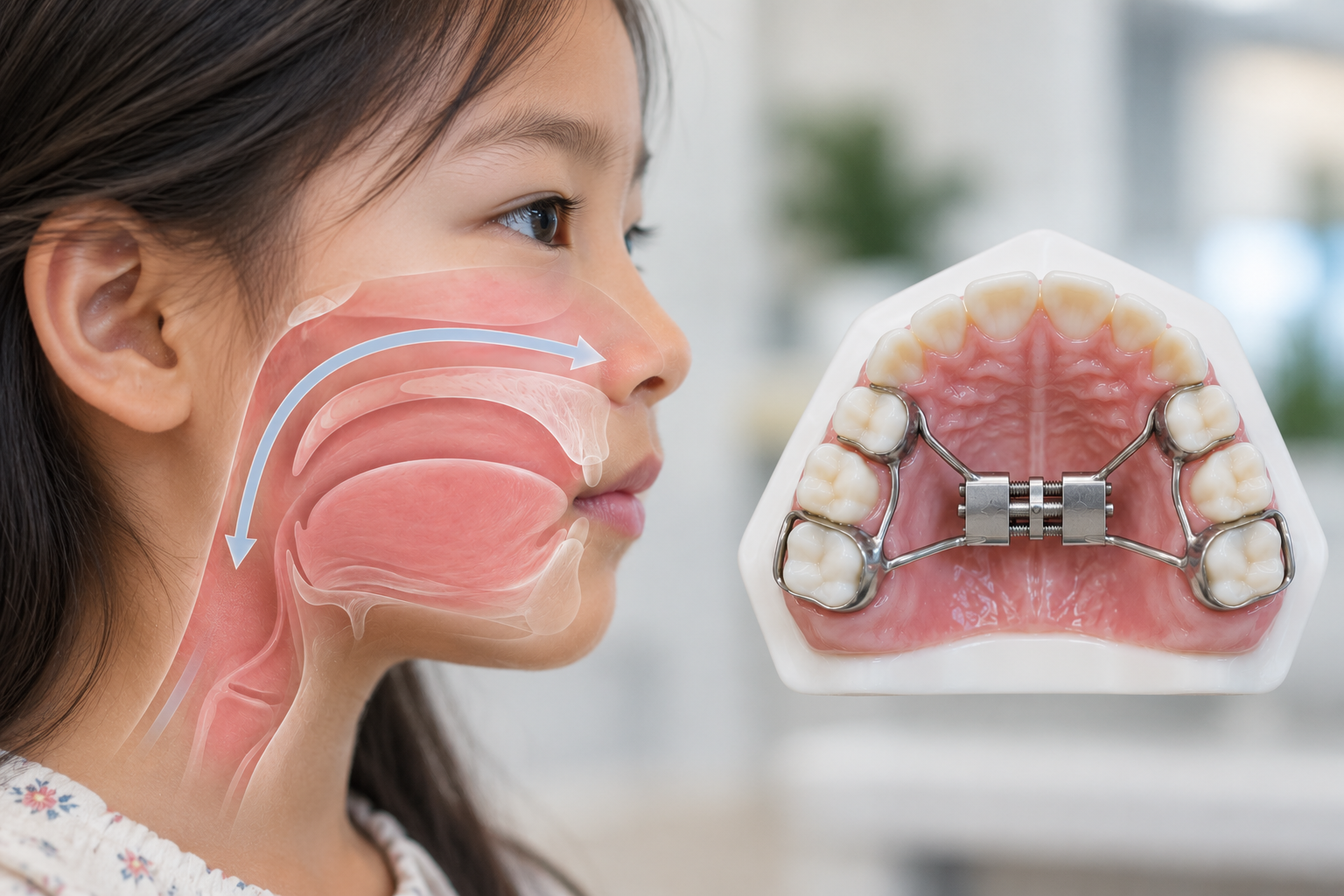
- Palatal expanders to address certain upper jaw width discrepancies
- Partial braces to correct selected tooth positions or eruption problems
- Appliances to address certain developing underbites
- Other targeted orthodontic appliances
Phase II: Comprehensive Orthodontic Treatment
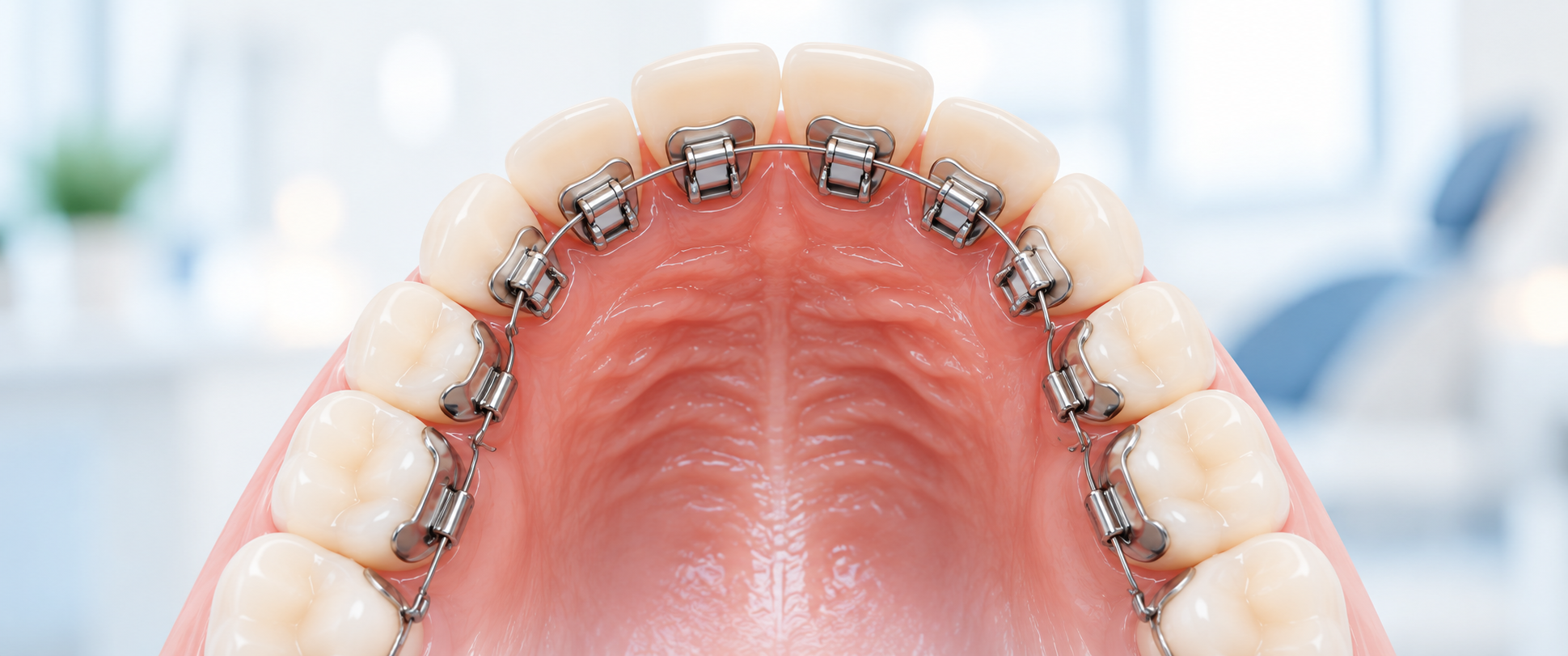
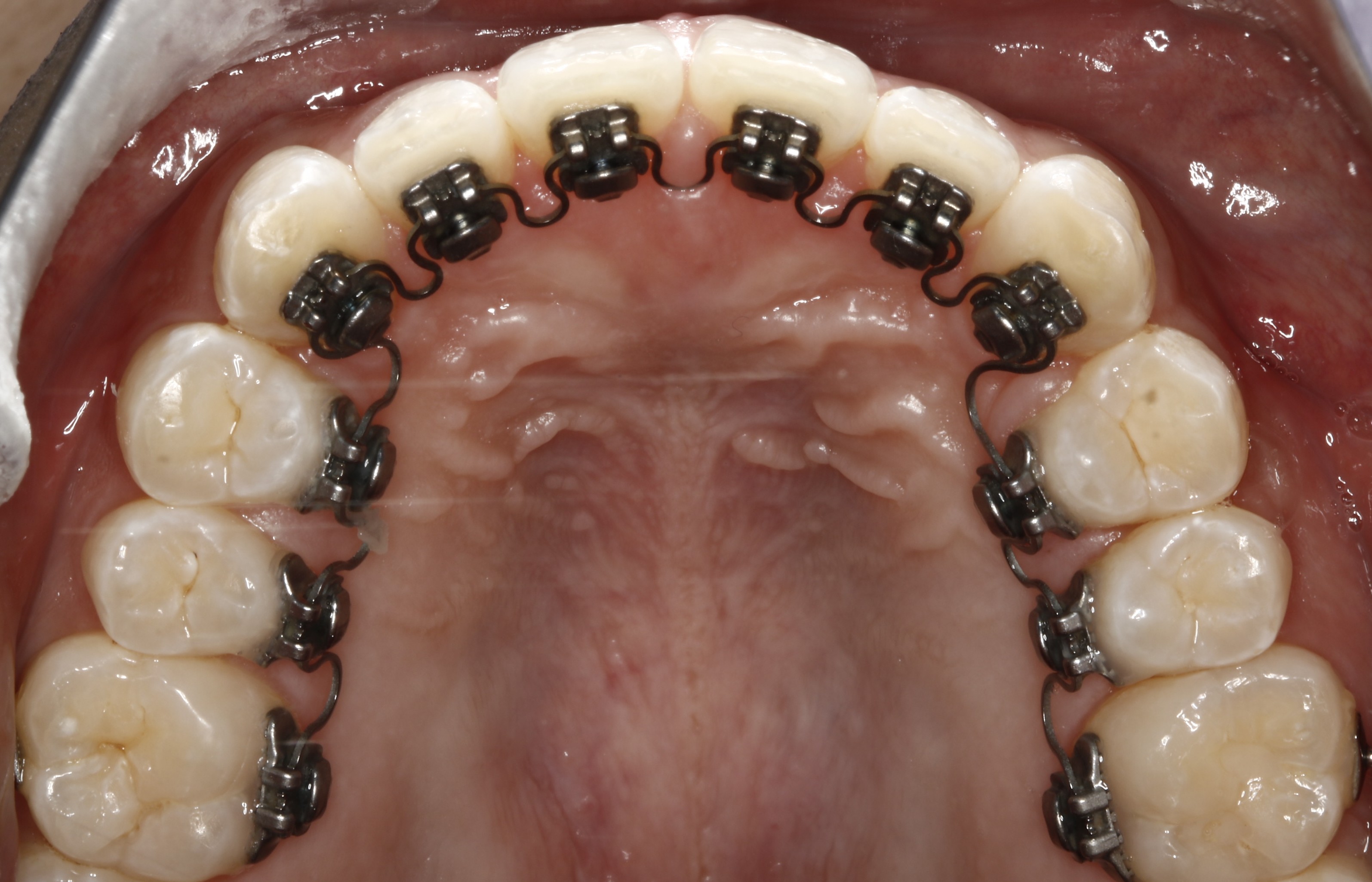
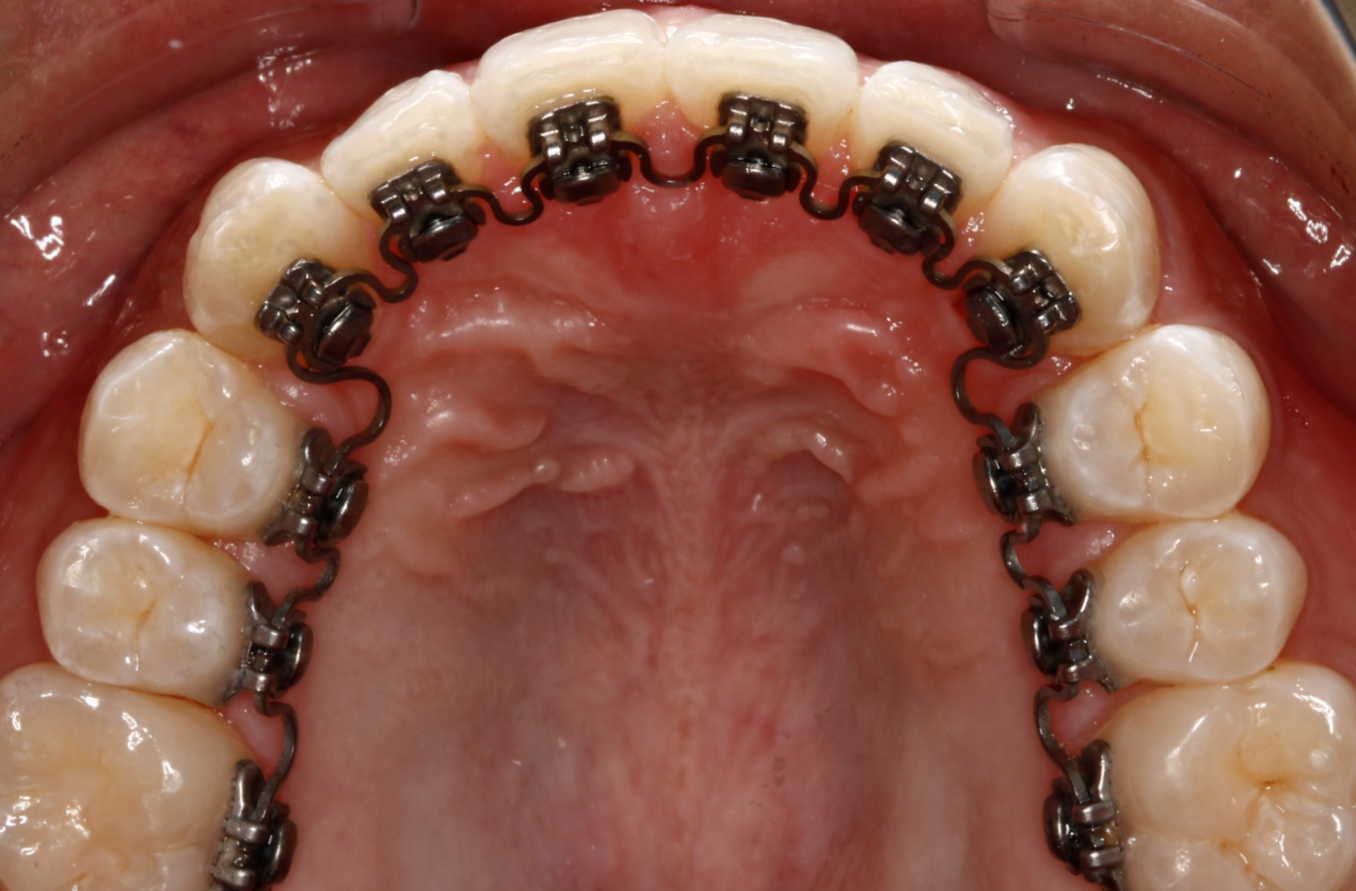
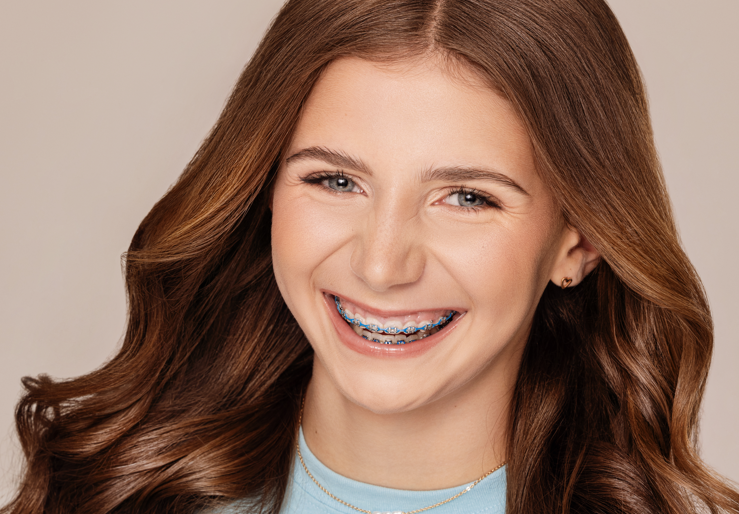
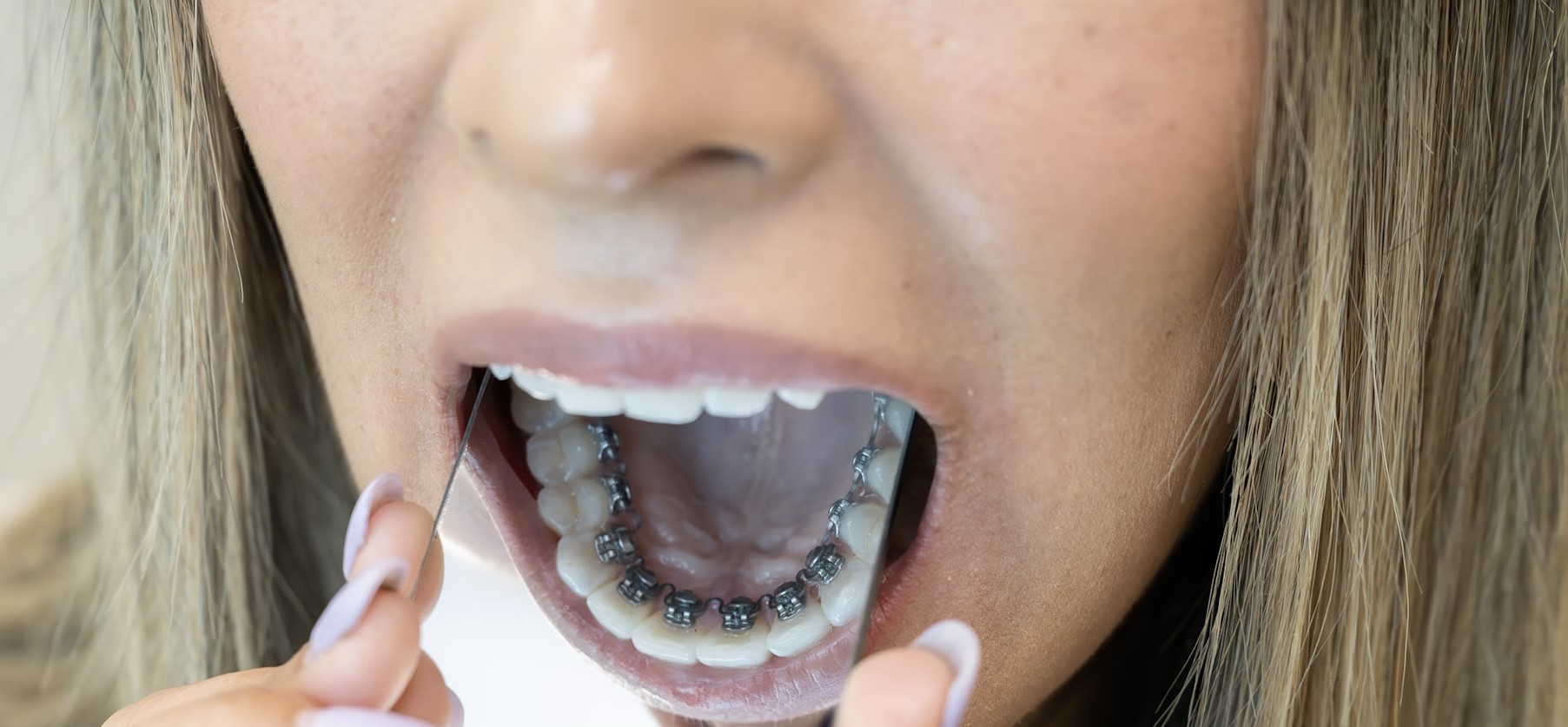
Phase II generally begins when most or all permanent teeth have erupted, often around ages 11 to 13. This phase typically involves comprehensive braces, lingual braces, or clear aligners to straighten the teeth, coordinate the dental arches, and establish the final bite. Children who undergo Phase I frequently still require Phase II treatment because early treatment does not usually eliminate the need for comprehensive orthodontics. Between the two phases, there is typically an observation period while the remaining permanent teeth erupt.
Why Does the American Association of Orthodontists Recommend an Evaluation at Age 7?
The American Association of Orthodontists recommends that children receive their first orthodontic evaluation by approximately age 7. However, this recommendation is frequently misunderstood.
An orthodontic evaluation at age 7 does not mean orthodontic treatment should begin at age 7.
The purpose of an early evaluation is to identify developing problems that may benefit from intervention and establish a plan for monitoring growth and tooth eruption. At Life Orthodontics, many children who come in for an early evaluation do not need immediate treatment. Instead, we recommend periodic observation until the appropriate time to begin orthodontics. This allows us to intervene when necessary without automatically committing every child to two phases of treatment.
When Is Phase I Orthodontic Treatment Beneficial?
There are several situations where early orthodontic treatment may provide meaningful advantages. Importantly, the presence of one of these conditions does not automatically mean a child needs Phase I. The severity, underlying cause, growth pattern, and potential consequences of waiting all influence the recommendation.
1. Posterior Crossbites and Upper Jaw Narrowness
A posterior crossbite occurs when the upper teeth bite inside the lower teeth rather than outside them. In some children, this can cause asymmetric growth where the lower jaw may grow more towards one side. Early palatal expansion may help correct the transverse discrepancy and reduce or eliminate the asymmetric growth pattern. However, not every child with a narrow upper dental arch needs immediate expansion. If there is no significant crossbite, functional shift, or other compelling indication, expansion may sometimes be incorporated into comprehensive treatment later.
2. Developing Underbites
An underbite occurs when the lower teeth or jaw are positioned ahead of the upper teeth or jaw. Certain developing underbites, particularly those involving upper jaw deficiency, may benefit from early orthopedic treatment while a child is growing. Early intervention can often improve the jaw relationship and reduce the severity of the developing discrepancy where jaw surgery later in life can be prevented.
However, the long-term response depends on the underlying skeletal pattern and future growth. Early treatment does not guarantee that additional treatment, including jaw surgery in severe cases, can be avoided. The decision to treat early should be based on the specific diagnosis and expected benefit.
3. Severe Crowding and Eruption Problems
Some children have insufficient space for permanent teeth to erupt normally. When crowding is severe enough to interfere with eruption or contribute to unfavorable tooth positioning, early intervention may help create or preserve space. Examples include selected cases involving ectopic eruption, impacted teeth, or significant space loss. However, crowding alone does not automatically justify early expansion or partial braces. Many children with mild or moderate crowding can be treated predictably during comprehensive orthodontic treatment.
4. Severely Protruding Front Teeth
Children with significantly protruding upper front teeth may have an increased risk of dental trauma. In selected cases, early orthodontic treatment can reduce the prominence of these teeth and lower the risk of injury. This can be particularly relevant for children with a history of dental trauma or other factors that increase their risk. Although early treatment may provide this benefit, it does not necessarily eliminate the need for comprehensive treatment later.
Why Do Orthodontists Sometimes Disagree About Expansion at Age 7 or 8?
This is one of the most common reasons parents seek a second orthodontic opinion. One orthodontist may recommend palatal expansion immediately, while another may recommend waiting several years. That does not necessarily mean one orthodontist is wrong.
Orthodontic treatment planning involves clinical judgment, and different doctors may place different emphasis on the benefits of early intervention. For example, some orthodontists prefer expanding a narrow upper arch early, even when there is no significant crossbite or functional problem. Others reserve early expansion for situations where treating immediately is expected to provide a meaningful advantage over waiting.
At Life Orthodontics, we believe the most important question is not simply whether expansion is possible at a young age. The question is what benefit the child gains by expanding now rather than later. When there is a clear clinical advantage, we recommend early treatment. When waiting is unlikely to compromise the outcome, we often prefer to monitor growth and incorporate expansion into comprehensive treatment at the appropriate time.
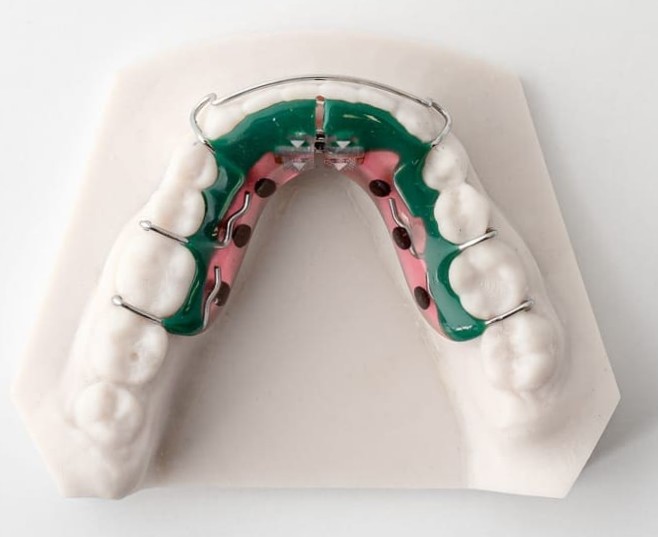
Learn more about our approach to palatal expansion, including removable Schwarz expanders and modern fixed expansion appliances.
Can My Child Get Braces Once Instead of Twice?
In many cases, yes. For children without a compelling indication for Phase I, orthodontic treatment can often be completed in one comprehensive phase once enough permanent teeth have erupted. This approach may offer several advantages:
- One primary period of orthodontic treatment
- Fewer overall orthodontic appointments
- Less time wearing appliances throughout childhood
- Potentially lower overall treatment costs
- Avoiding treatment before it is clinically necessary
However, waiting is not always the best approach. Some problems are easier to correct during specific stages of dental development or growth. For these children, the benefits of early treatment may outweigh the additional time and expense of two-phase orthodontics. Our goal is to identify which approach is most appropriate for each child.
Does Phase I Make Phase II Treatment Shorter or Easier?
Sometimes, but not always. When Phase I successfully addresses a specific problem, such as a functional crossbite or an eruption disturbance, it may simplify certain aspects of future treatment. However, early orthodontic treatment does not guarantee that Phase II will be significantly shorter. Comprehensive treatment still involves aligning the permanent teeth and establishing the final bite. Parents should be cautious about assuming that starting braces or expansion earlier will necessarily reduce the total amount of orthodontic treatment their child needs.
A useful question to ask is: What specific problem will Phase I solve, and how will that improve my child's long-term treatment?
If there is no clear answer, it may be worth considering whether treatment can safely wait.
What About Palatal Expansion for Breathing or Airway Concerns?
Some families are told their child needs early palatal expansion because of snoring, mouth breathing, or concerns about airway development. While palatal expansion can affect upper jaw and nasal anatomy, it should not automatically be recommended as a treatment for breathing problems without an appropriate evaluation. Children with suspected sleep-disordered breathing should be evaluated by the appropriate medical professionals.
We discuss this topic in detail in our article, Airway Orthodontics: An Evidence-Based Perspective.
What Are the Downsides of Starting Orthodontic Treatment Too Early?
Although Phase I can be valuable, early treatment also comes with potential disadvantages.
Additional treatment time: Children may spend time wearing orthodontic appliances at age 7 or 8 and then undergo another period of treatment several years later.
Additional appointments: Two treatment phases may require more visits and a longer overall relationship with active orthodontic appliances.
Additional costs: Phase I may increase the total financial commitment compared with one comprehensive phase.
Patient cooperation: Younger children may struggle with appliance wear, oral hygiene, or the responsibilities associated with orthodontic treatment.
Limited additional benefit: In some situations, starting early may not meaningfully improve the eventual result compared with waiting.
These considerations do not mean Phase I should be avoided. They simply reinforce why early treatment should have a clear purpose.
What Happens If We Decide to Wait?
Choosing not to start treatment immediately does not mean ignoring your child's orthodontic development. At Life Orthodontics, children who do not need immediate treatment can enter our Monitor for Phase II observation program. During observation visits, we evaluate changes in dental development, eruption of permanent teeth, bite relationships, and jaw growth. If a problem develops that would benefit from earlier intervention, we can reassess the treatment plan. Otherwise, we continue monitoring until the child reaches an appropriate stage for comprehensive orthodontic treatment. For many families, this means avoiding unnecessary early treatment while maintaining confidence that their child's development is being followed.
What If My Child Really Does Need Phase I?
When early treatment is appropriate, our goal is to address the specific problem as efficiently and conservatively as possible. Depending on the diagnosis, treatment may involve a palatal expander, partial braces, an appliance for underbite correction, or a combination of approaches. We explain what we are trying to accomplish, how long treatment is expected to take, and whether comprehensive treatment will likely be necessary afterward.
We also believe families should understand the financial implications of two-phase treatment. At Life Orthodontics, at least 40% of the Phase I treatment fee is credited toward Phase II, typically around $1,500. For example, a $3,750 Phase I treatment fee would provide a minimum $1,500 credit toward future comprehensive treatment. Our goal is to make necessary early treatment more affordable while recognizing that families may still have a second phase of orthodontic care ahead.
You can learn more about typical treatment costs in our Orange County Orthodontic Treatment Cost Guide.
Questions to Ask Before Starting Phase I Orthodontic Treatment
If another orthodontist has recommended early treatment for your child, consider asking these questions:
- What specific orthodontic problem are we trying to correct?
- What could happen if we wait until more permanent teeth erupt?
- Will early treatment improve the final result or primarily change the timing?
- Is my child likely to need comprehensive orthodontic treatment afterward?
- What is the expected total cost of both phases?
- Is any portion of the Phase I fee credited toward Phase II?
A thoughtful orthodontist should be comfortable explaining the reasoning behind their recommendation. The purpose of these questions is not to challenge the orthodontist's expertise, but to help families make informed decisions.
Our Philosophy at Life Orthodontics
At Life Orthodontics in Tustin, Dr. Robert Lee and Dr. Sarah Pi are board-certified orthodontists and UCSF faculty who believe orthodontic treatment should be recommended based on each child's individual needs. We recognize that early treatment can make a meaningful difference for certain children. We also recognize that many children can achieve excellent orthodontic outcomes without beginning treatment at age 7 or 8. Our responsibility is to help families understand the difference. When we recommend Phase I, we want parents to know exactly why treatment is beneficial now.When waiting is appropriate, we are equally comfortable recommending observation rather than starting appliances.
The goal is not to begin orthodontic treatment as early as possible. It is to begin treatment at the time that provides the greatest benefit for the child.
Frequently Asked Questions
At what age should my child first see an orthodontist?
The American Association of Orthodontists recommends an initial orthodontic evaluation by age 7. This allows developing problems to be identified early, but most children do not need to begin treatment at that age.
Does Phase I always mean my child will need braces twice?
No. Phase I may involve an expander, partial braces, or another targeted appliance rather than comprehensive braces. However, many children who receive Phase I treatment will still need comprehensive orthodontic treatment once their permanent teeth have erupted.
Can my child have palatal expansion during Phase II instead?
In many appropriately selected cases, yes. Whether expansion can safely wait depends on the severity of the transverse discrepancy, the child's growth and skeletal maturity, and the presence of functional problems such as a crossbite.
Does dental insurance cover Phase I orthodontic treatment?
Coverage depends on the insurance plan. Some orthodontic benefits can be used toward Phase I, but many plans have a lifetime orthodontic maximum that applies across both treatment phases. Our team can help families understand their available benefits.
Should I get a second opinion if my child was recommended Phase I?
A second opinion can be helpful, especially when the reason for early treatment is unclear or different orthodontists have recommended different treatment timelines. The most important thing is understanding what early treatment is expected to accomplish and whether waiting would affect the outcome.
Looking for a Second Opinion About Early Orthodontic Treatment?
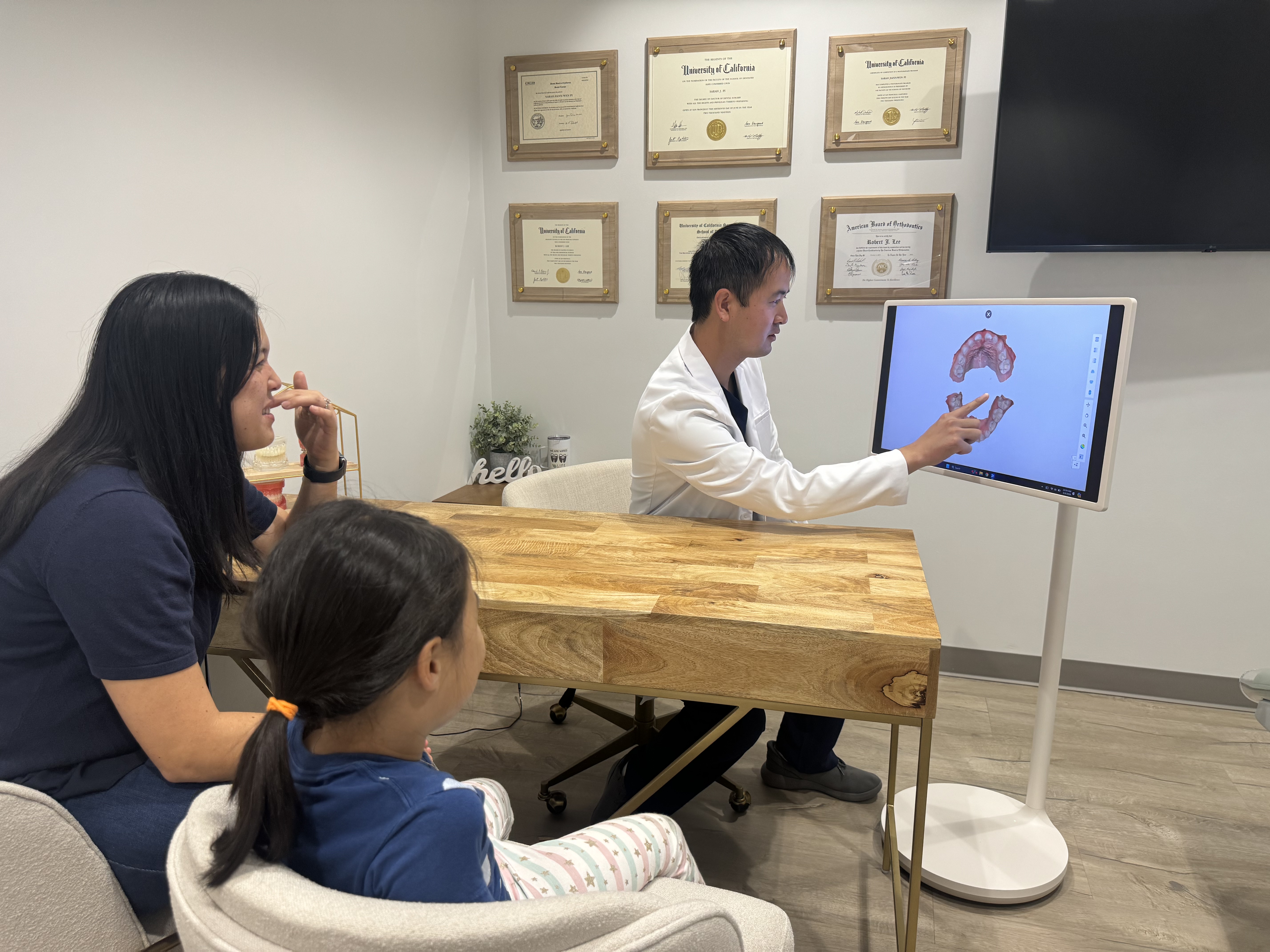
If your child has been recommended braces or a palatal expander at a young age, and you are unsure whether treatment is necessary now, we would be happy to help. At Life Orthodontics in Tustin, we provide complimentary orthodontic consultations for families throughout Orange County, including Irvine, Santa Ana, Orange, and surrounding communities. Dr. Lee and Dr. Pi will evaluate your child's teeth, bite, and development, explain their findings, and help you understand whether early treatment or continued observation is the better choice.
Our promise is simple: We will recommend treatment when there is a clear reason to treat, and at the time that makes the most sense for your child.