Can Crowded Teeth Be Fixed Without Removing Teeth?
Can Crowded Teeth Be Fixed Without Removing Teeth? An Orthodontist Explains
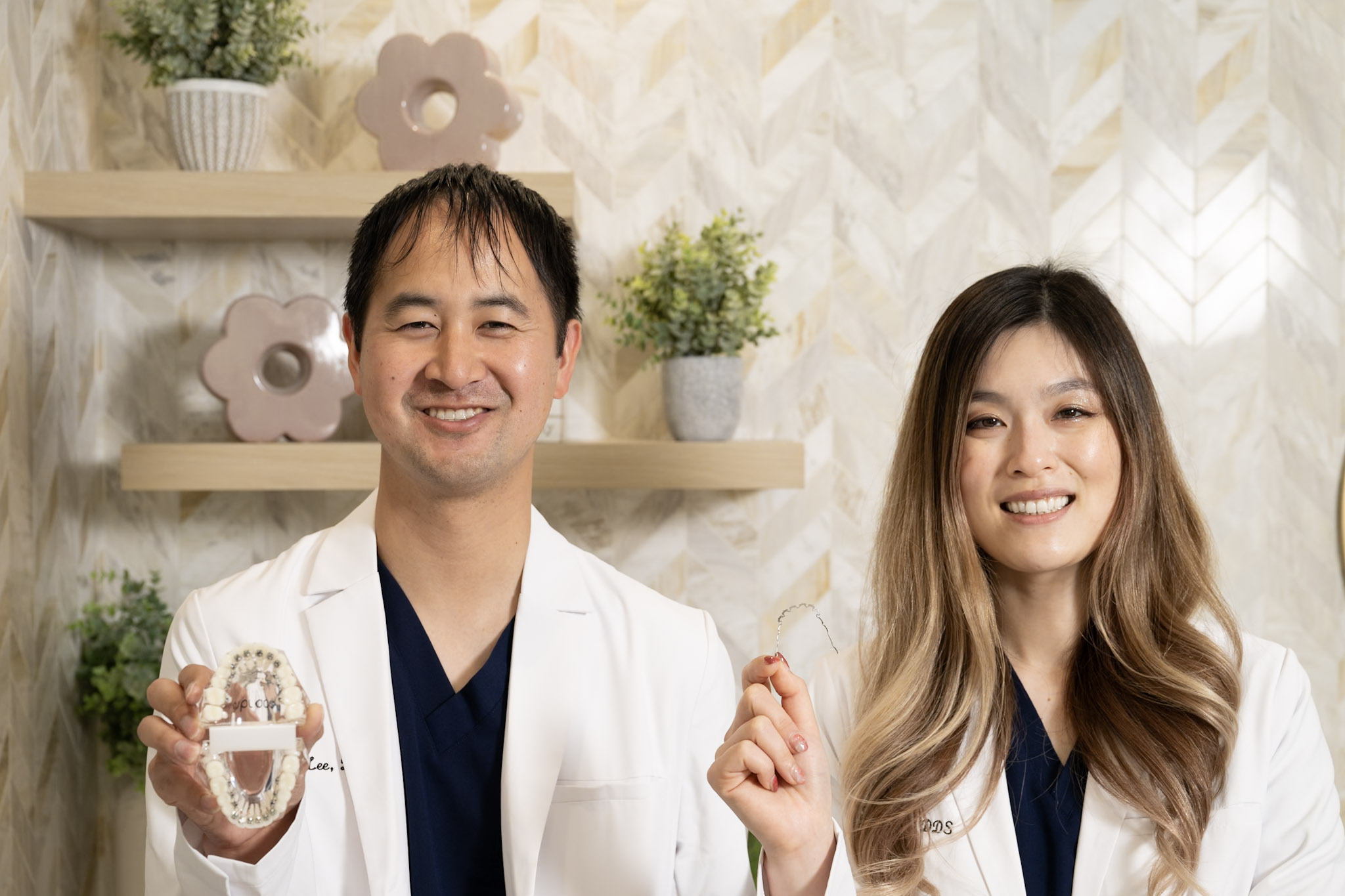
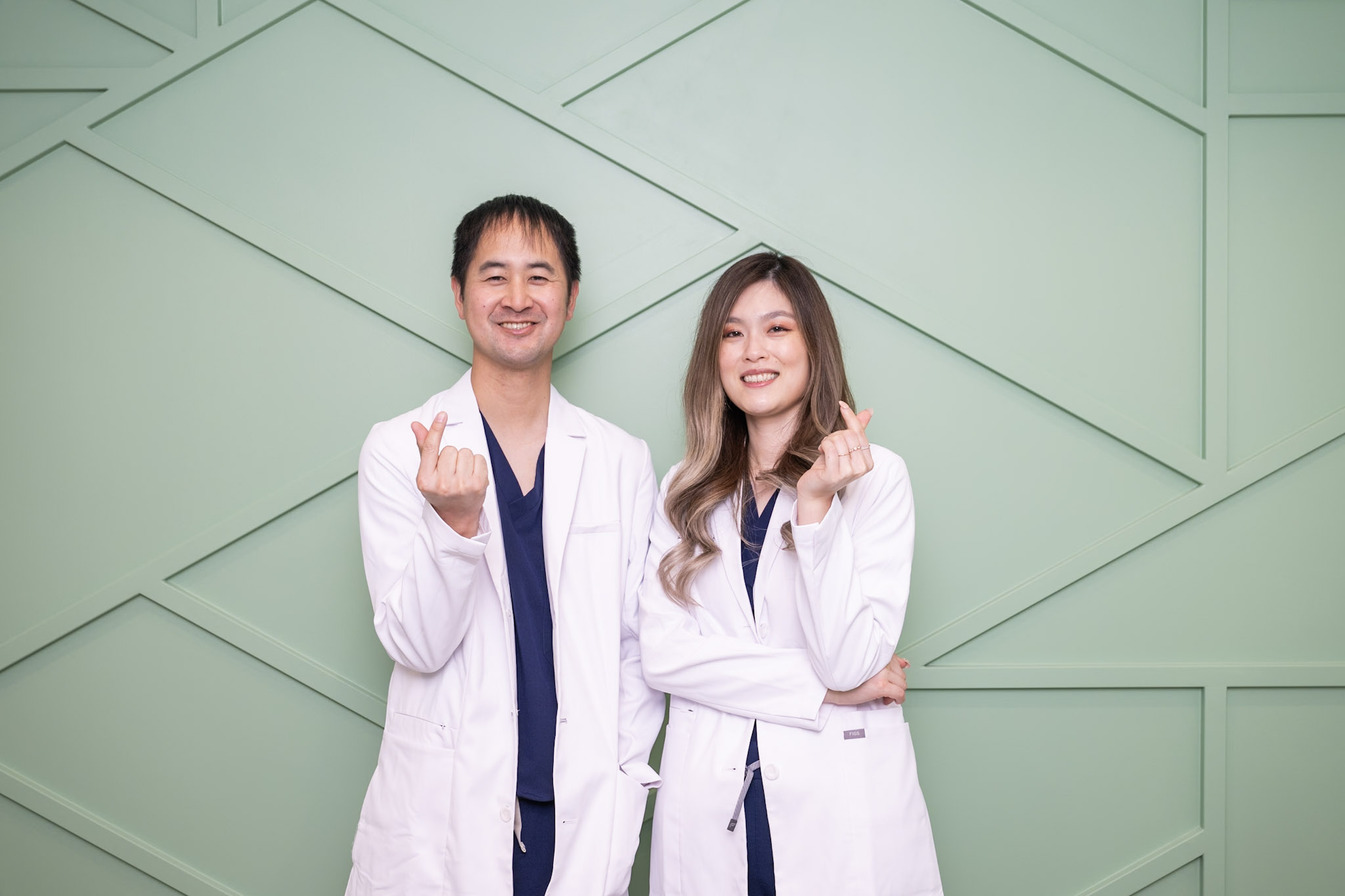
Crowded teeth are one of the most common reasons patients seek orthodontic treatment. When there isn't enough room in the dental arches for all the teeth to fit properly, teeth may overlap, rotate, or become displaced. One of the biggest concerns patients and parents have is whether teeth will need to be removed to make room. The good news is that many cases of dental crowding can be treated without removing permanent teeth. However, the best approach depends on the severity of crowding, the patient's age, jaw structure, bite, and facial profile. At Life Orthodontics in Tustin, California, our board-certified orthodontists, Dr. Robert Lee and Dr. Sarah Pi, evaluate these factors to determine the most appropriate treatment approach for each patient.
Why Do Teeth Become Crowded?
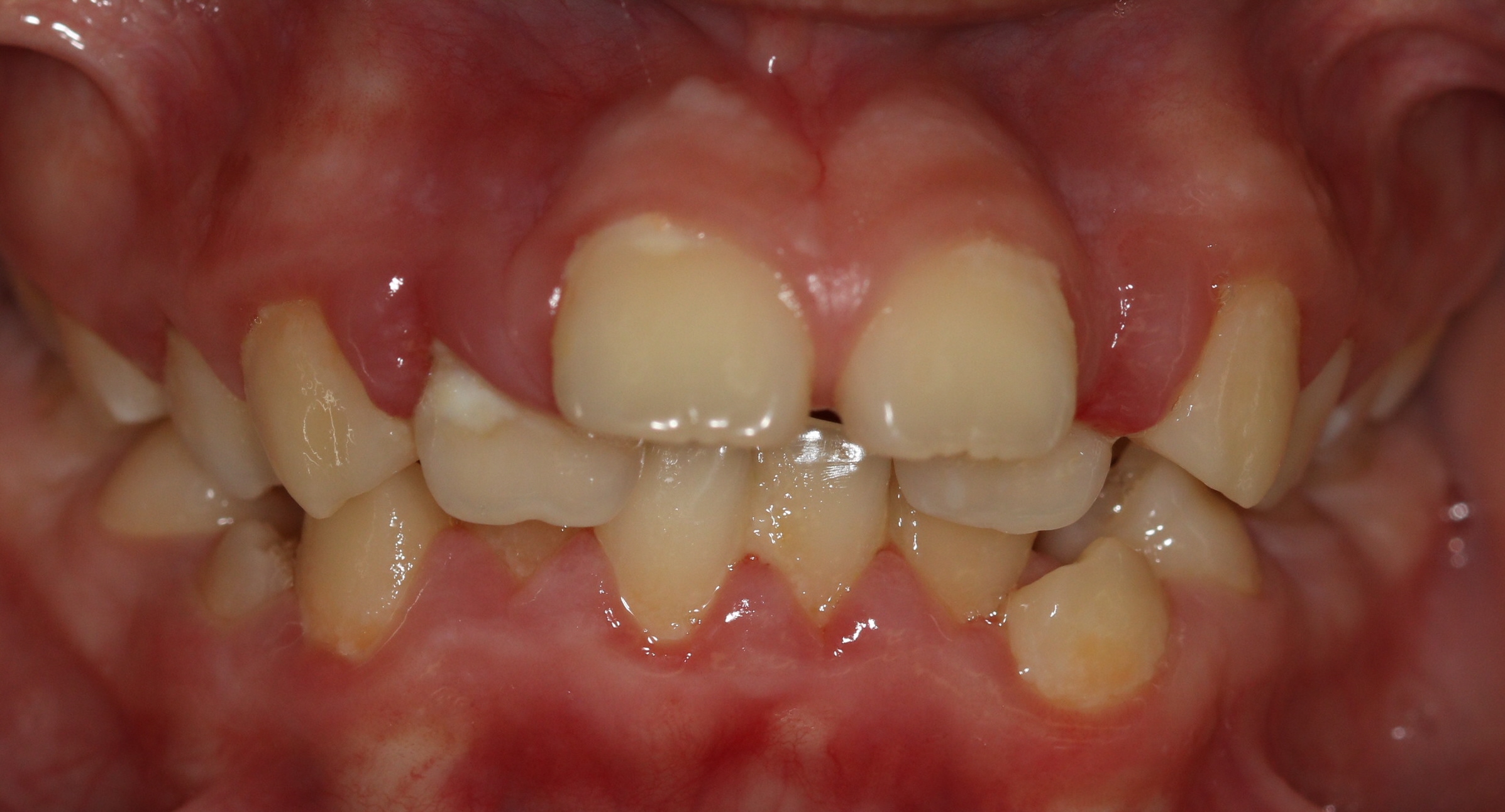
Dental crowding occurs when there is insufficient space for the teeth to align properly within the dental arches. Several factors can contribute to crowding, including:
- Tooth size and jaw size: Teeth may be relatively large compared with the available space in the dental arches.
- Narrow dental arches: A narrow upper or lower arch may contribute to insufficient space for proper alignment.
- Early or delayed loss of baby teeth: Changes in the timing of tooth eruption can affect how much space is available for permanent teeth.
- Tooth eruption patterns: Permanent teeth may erupt in rotated or displaced positions when adequate space is unavailable.
Crowding can range from mild overlapping of the front teeth to severe displacement of multiple teeth. Understanding the cause and severity of crowding is essential before deciding how to create the space needed for orthodontic treatment.
How Can Orthodontists Fix Crowded Teeth Without Extractions?
Orthodontists have several methods for creating space without removing permanent teeth. These approaches may be used individually or in combination, depending on the patient's needs.
1. Dental Arch Expansion
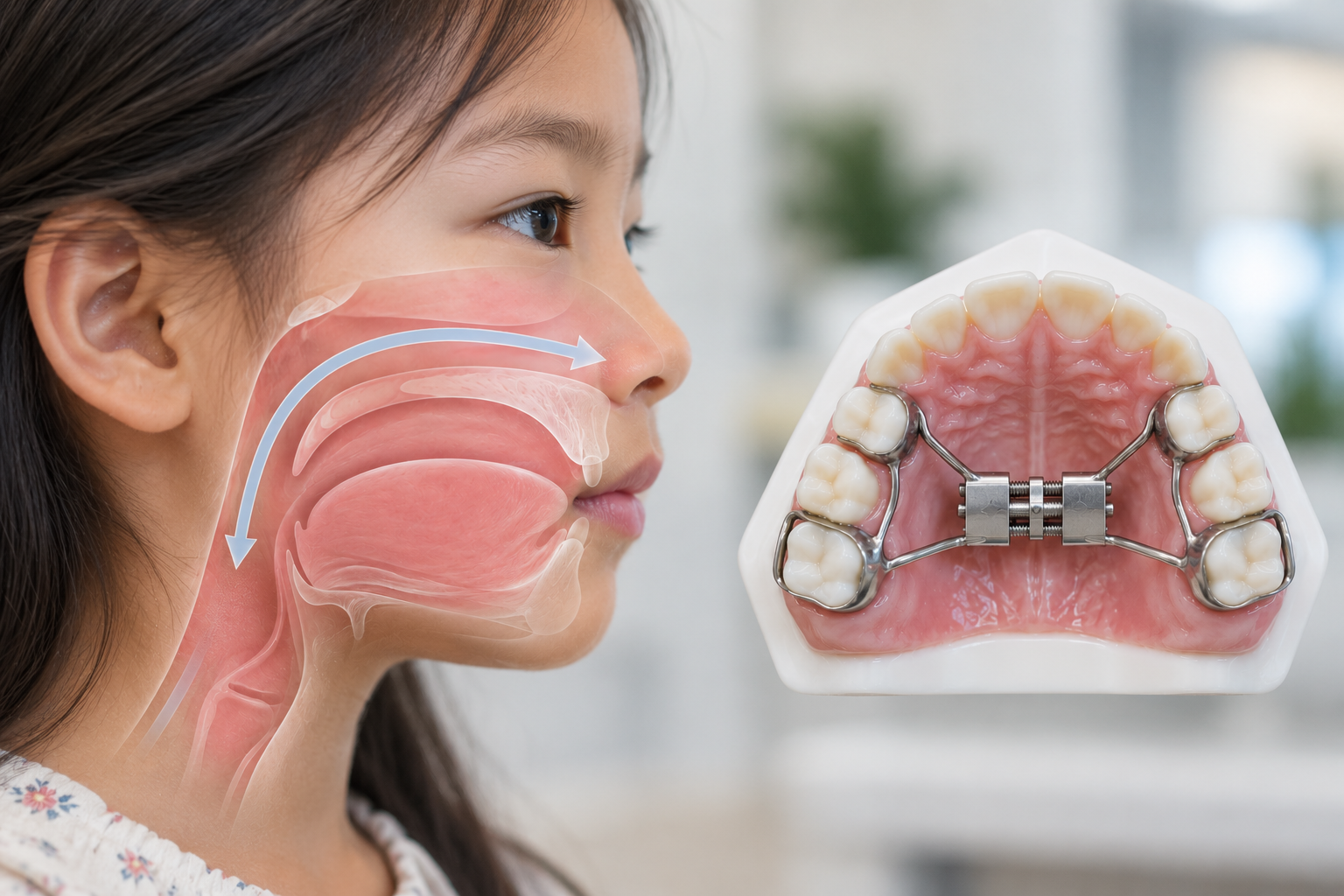
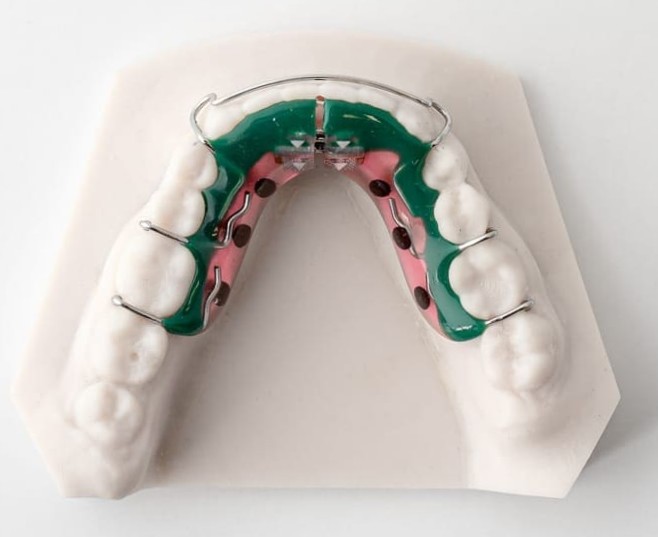
Expansion involves increasing the width of the dental arch to create additional room for crowded teeth. For younger patients who are still growing, a palatal expander may be used to widen a narrow upper jaw. This can create space for developing permanent teeth while also correcting certain bite problems. For teenagers and adults, orthodontic treatment may involve dental arch development, which changes the positions of teeth within the supporting bone. However, there are biological limits to how much expansion can safely be achieved. Excessive expansion may increase the risk of gum recession or moving teeth outside their supporting bone, so expansion is not appropriate for every patient, and the amount of space it can create depends on the patient's anatomy and stage of growth.
2. Interproximal Reduction (IPR)
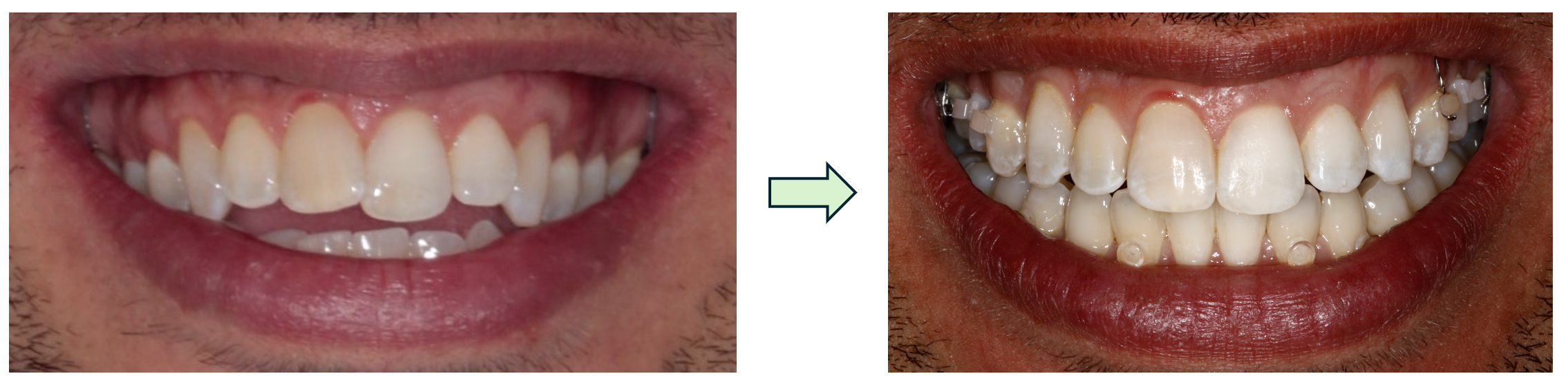
Interproximal reduction, commonly called IPR, involves carefully removing a very small amount of enamel between selected teeth to create additional space. For example, removing 0.2 mm of enamel from each of two adjacent tooth surfaces creates approximately 0.4 mm of space between those teeth. When performed across several appropriate contacts, IPR can create enough room to help resolve mild to moderate crowding. IPR can also help improve tooth proportions and reduce certain types of black triangles between teeth.
At Life Orthodontics, we take a particularly conservative and meticulous approach to IPR. Our goal is to create the space needed for treatment while preserving the natural contours and appearance of each tooth. We carefully control how much enamel is removed and pay close attention to maintaining smooth, natural-looking tooth shapes. When performed appropriately, these changes are often so subtle that patients cannot visually distinguish which teeth received IPR. Because enamel removal is irreversible, we believe careful planning and precise execution are especially important. We aim to remove only the amount necessary to achieve the desired orthodontic result.
3. Controlled Forward Movement of Teeth
Another way to create space is by moving selected teeth slightly forward within the dental arch. This is sometimes referred to as proclination, particularly when discussing the front teeth. In patients whose front teeth are initially tipped backward, controlled forward movement can create additional space while improving tooth position. However, moving teeth too far forward may negatively affect the facial profile, lip position, or periodontal health. The goal is not simply to straighten the teeth but to position them appropriately within the patient's facial and skeletal anatomy.
4. Utilizing Available Space During Growth
For children in the mixed dentition stage, orthodontists may be able to take advantage of natural differences in the sizes of baby teeth and their permanent replacements. One example is leeway space, which refers to the additional space available when certain primary molars are replaced by smaller permanent premolars. In appropriately selected patients, preserving this space can help relieve crowding without removing permanent teeth. This is one reason the American Association of Orthodontists recommends an initial orthodontic evaluation by age 7. Early evaluation allows orthodontists to identify developing problems and determine whether treatment or monitoring is appropriate.
Can Traditional Braces, Clear Aligners, and InSmile Lingual Braces Fix Crowded Teeth?
Yes. Traditional braces, clear aligners, and InSmile lingual braces can all be used to correct dental crowding, including many cases that do not require extractions. The important distinction is that orthodontic appliances move teeth, but the orthodontist must determine how sufficient space will be created to align them properly. Depending on the patient's needs, this may involve expansion, interproximal reduction, controlled tooth movement, or a combination of approaches.
Traditional Braces
Traditional braces are a versatile option for treating mild to severe crowding. They provide precise control over tooth movement and can be particularly useful for complex rotations, significant crowding, and bite corrections.
Clear Aligners
Clear aligners offer a removable and discreet alternative to braces. They can effectively correct many cases of crowding using carefully planned expansion, interproximal reduction, and controlled tooth movements. However, the predictability of specific movements varies, and some complex cases may be better suited for braces or a combination of approaches.
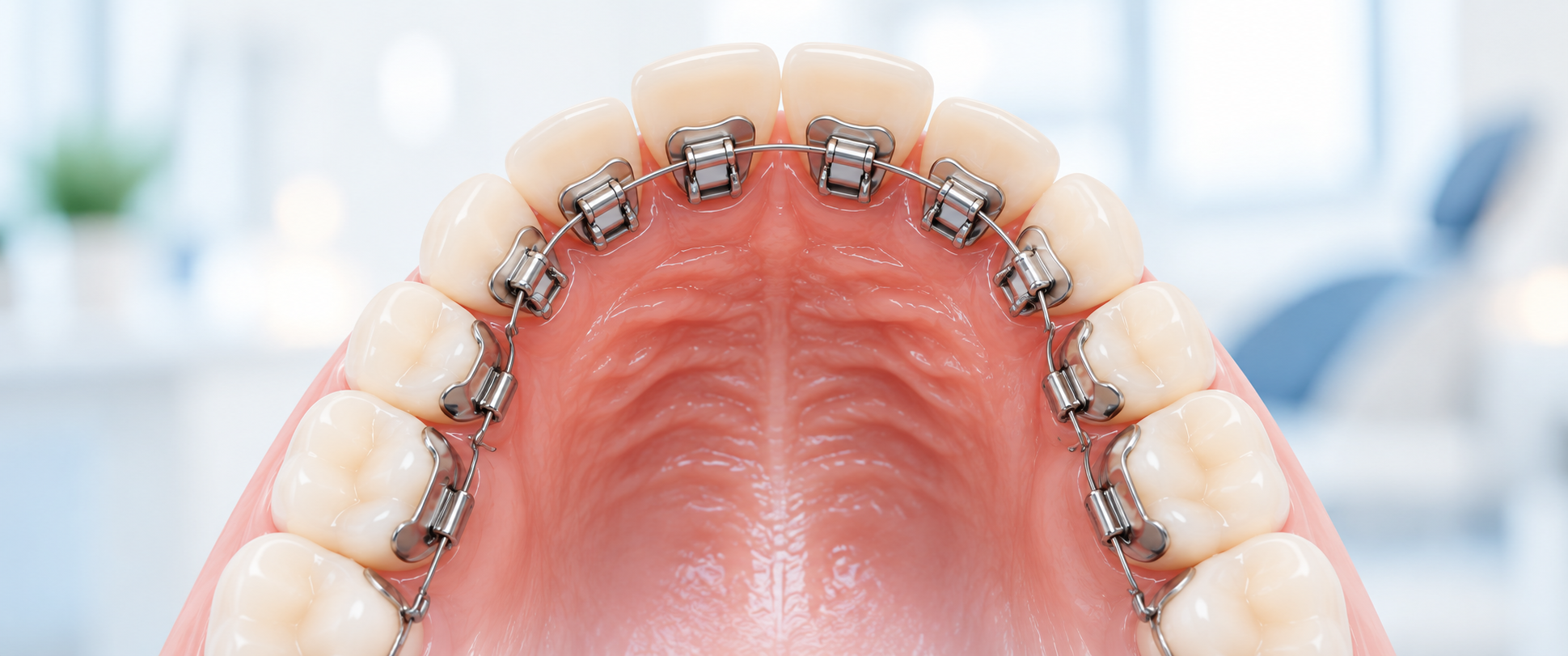
InSmile Lingual Braces
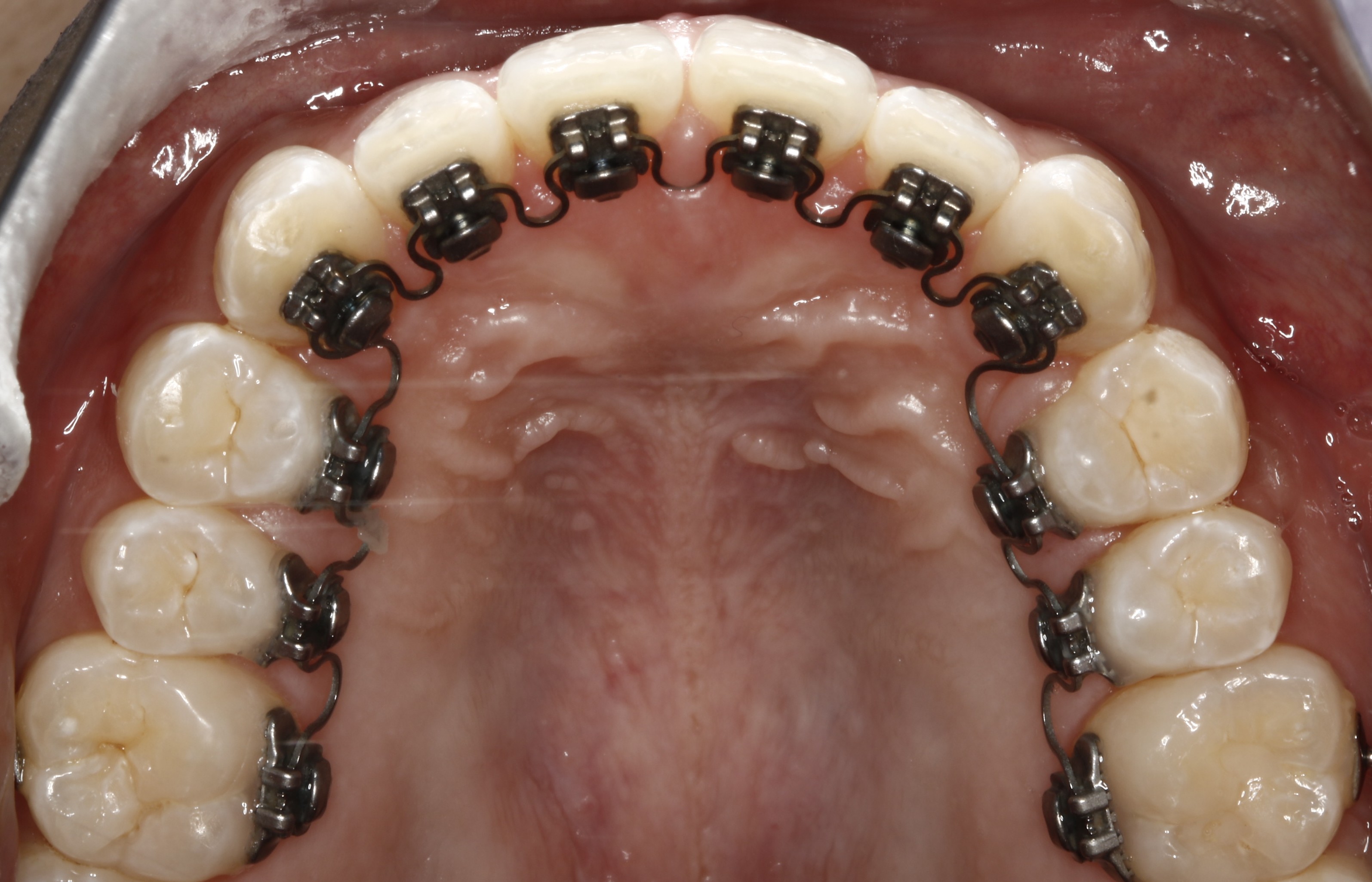
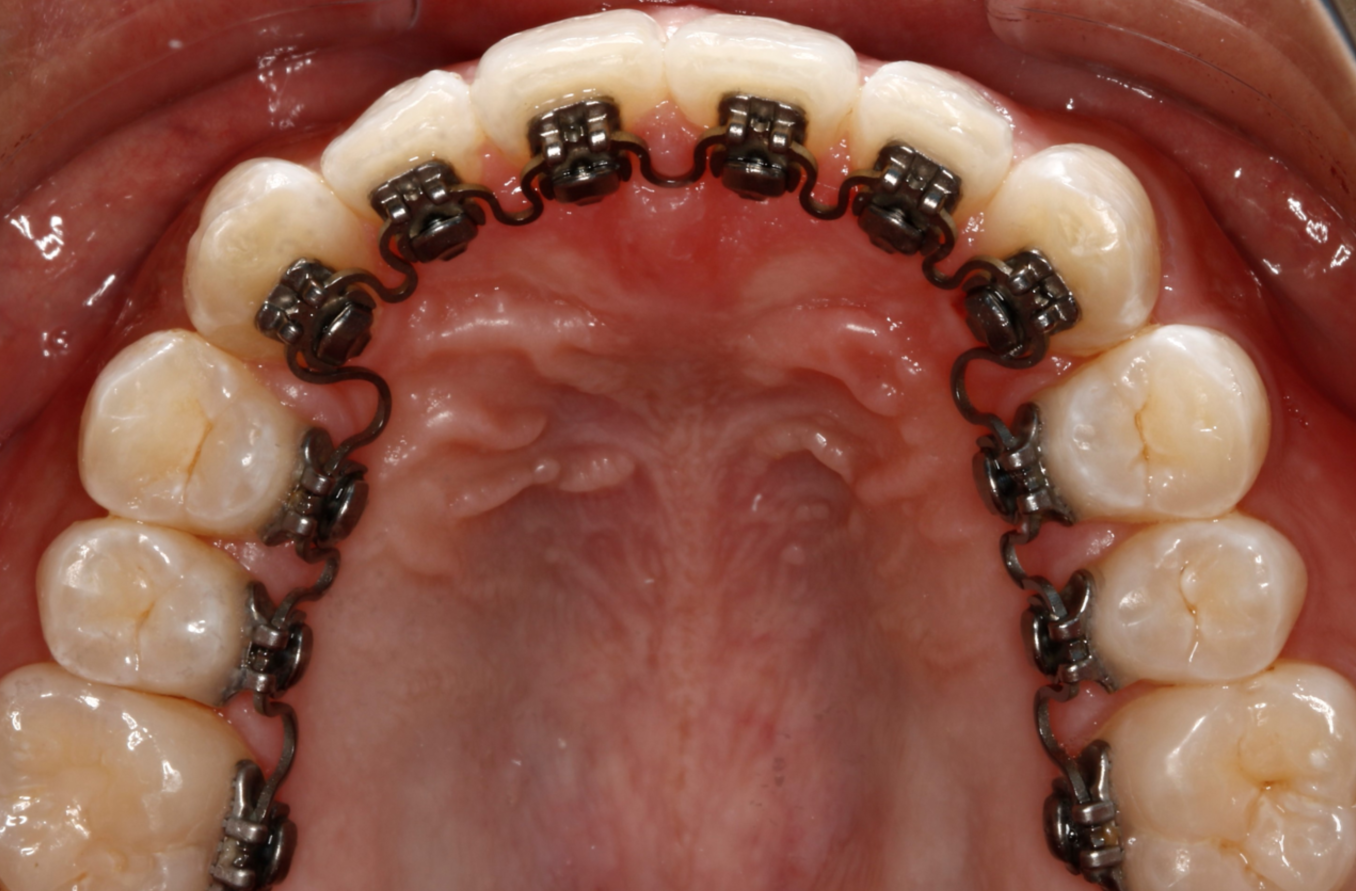
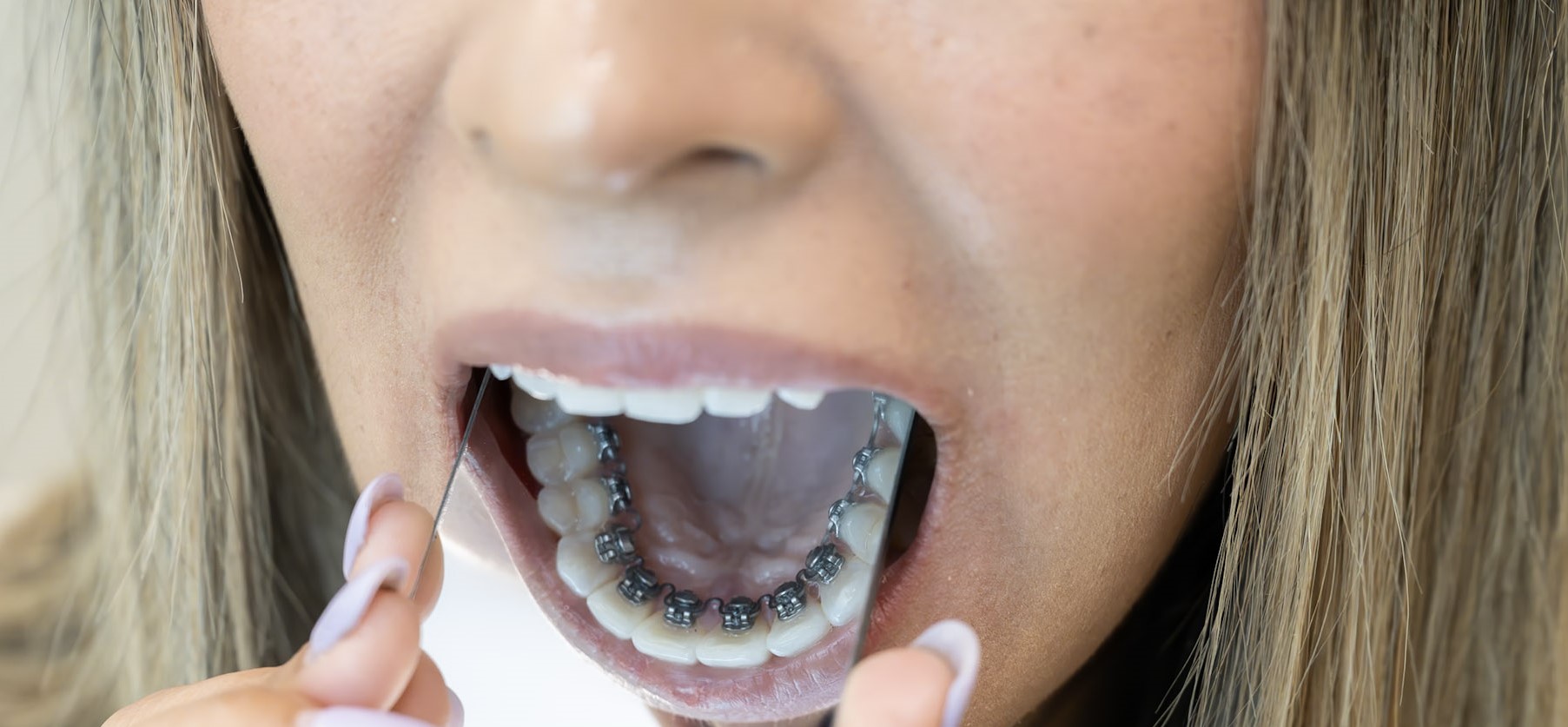
InSmile lingual braces are placed behind the teeth, making them virtually invisible when smiling or speaking. Unlike clear aligners, which must be removed for eating and drinking, InSmile braces are fixed to the teeth and work continuously throughout treatment. InSmile can be used to correct many cases of dental crowding, including cases that require rotations, alignment, and space management. Because InSmile brackets are positioned behind the teeth, patients can straighten their smiles without visible braces on the front surfaces of their teeth. At Life Orthodontics, Dr. Robert Lee is a co-inventor of the InSmile lingual braces system, bringing extensive experience in the technology and treatment planning.
Which treatment is best? The ideal appliance depends on the complexity of the crowding, the movements required, and the patient's preferences. At Life Orthodontics, we offer traditional braces, custom braces, clear aligners, and InSmile lingual braces so treatment can be tailored to each individual.
When Are Tooth Extractions Necessary for Orthodontic Treatment?
Although many crowded teeth can be straightened without extractions, there are situations where removing permanent teeth may provide a better treatment outcome. Extractions may be considered when:
- Crowding is severe and there is insufficient space to align the teeth safely with the methods mentioned earlier.
- The front teeth are already positioned too far forward.
- Significant dental protrusion affects the patient's facial profile or lip position.
- The bite requires tooth movements that cannot be predictably achieved through non-extraction approaches.
- Creating sufficient space without extractions would compromise the supporting bone or periodontal health.
Orthodontists commonly consider premolar extractions when substantial space is needed, although the specific teeth selected depend on the treatment plan. The goal should not be to avoid extractions at all costs. Instead, the goal is to achieve a healthy, stable bite, appropriate tooth positions, and a balanced facial appearance. For some patients, non-extraction treatment is the best option. For others, extractions may produce a healthier and more predictable result.
Does Crowding Mean My Child Needs Early Orthodontic Treatment?
Not necessarily. Although crowding is one of the most common reasons parents seek an orthodontic evaluation for their children, crowded teeth alone are not necessarily a reason to begin orthodontic treatment at age 7 or 8. At Life Orthodontics, we take a conservative approach to early orthodontic treatment. We believe treatment should begin when there is a clear clinical benefit, rather than simply because a problem can be treated at a young age. For example, some orthodontists recommend early palatal expansion to create space for crowded teeth. However, many children with mild to moderate crowding can safely wait until more permanent teeth have erupted and complete treatment in a single comprehensive phase. Palatal expansion can often still be performed successfully during the early teenage years, depending on the patient's skeletal maturity and individual anatomy. This means that starting expansion at age 7 or 8 is not always necessary simply to address crowding.
There are important exceptions. Children with significant crossbites, functional jaw shifts, severe space deficiencies affecting tooth eruption, or other developing problems may benefit from earlier intervention. Our philosophy is simple: Just because we can treat an orthodontic problem early doesn't necessarily mean we should. When early treatment provides a meaningful advantage, we recommend it. When waiting is unlikely to compromise the final outcome, we often prefer to monitor growth and dental development until the appropriate time for comprehensive treatment. This approach can help families avoid unnecessary treatment phases, additional appointments, and potentially higher overall costs.
Learn more in our article: Does My Child Really Need Two Phases of Braces?
How Do You Know Whether Your Crowded Teeth Need Extractions?
The best way to determine whether extractions are necessary is through a comprehensive orthodontic evaluation. During a consultation, an orthodontist may assess:
- The amount of dental crowding
- Upper and lower dental arch widths
- Tooth angulation and position
- Jaw relationships and bite alignment
- Facial profile and lip support
- Gum health and supporting bone
- The patient's growth and development
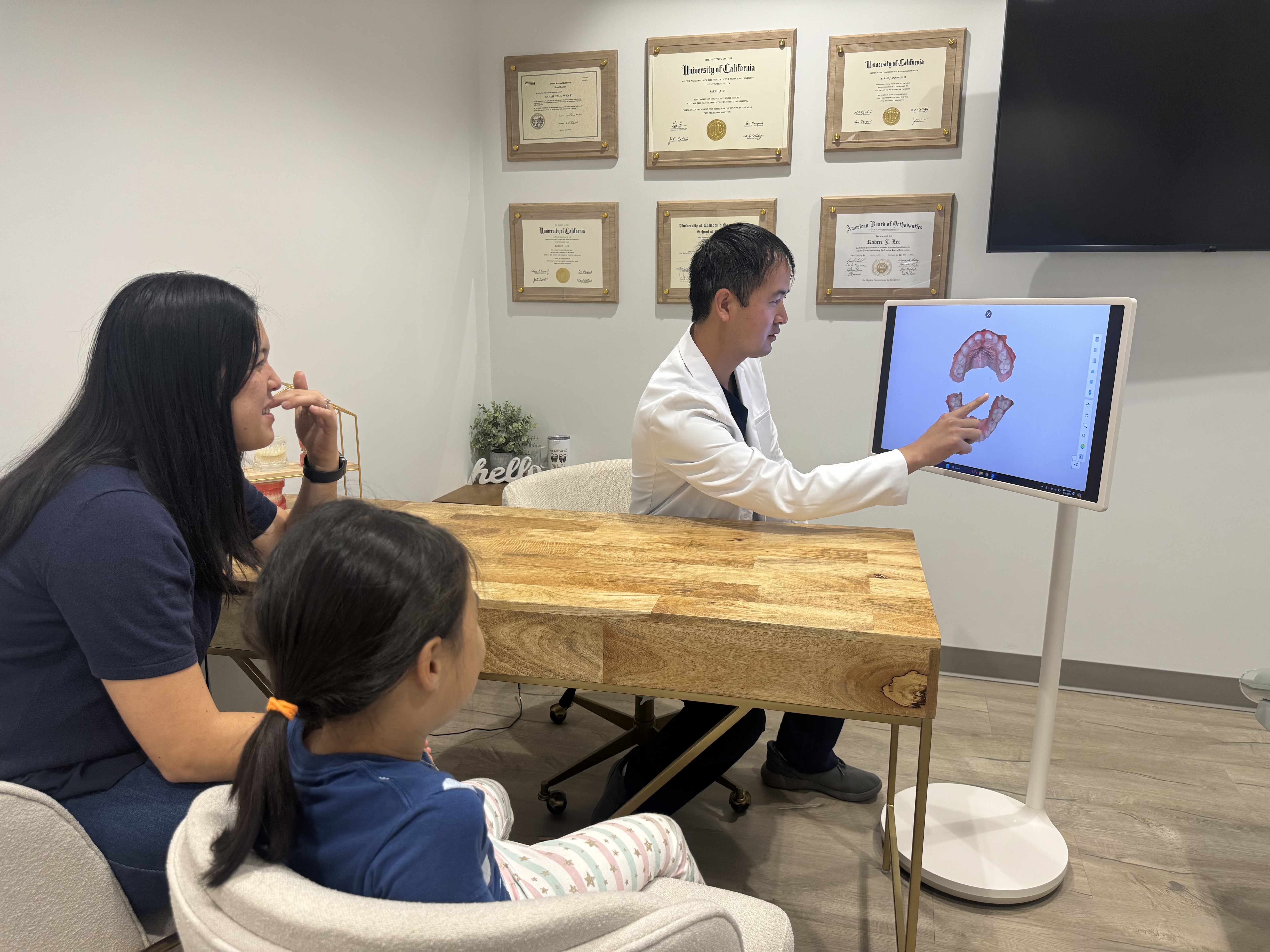
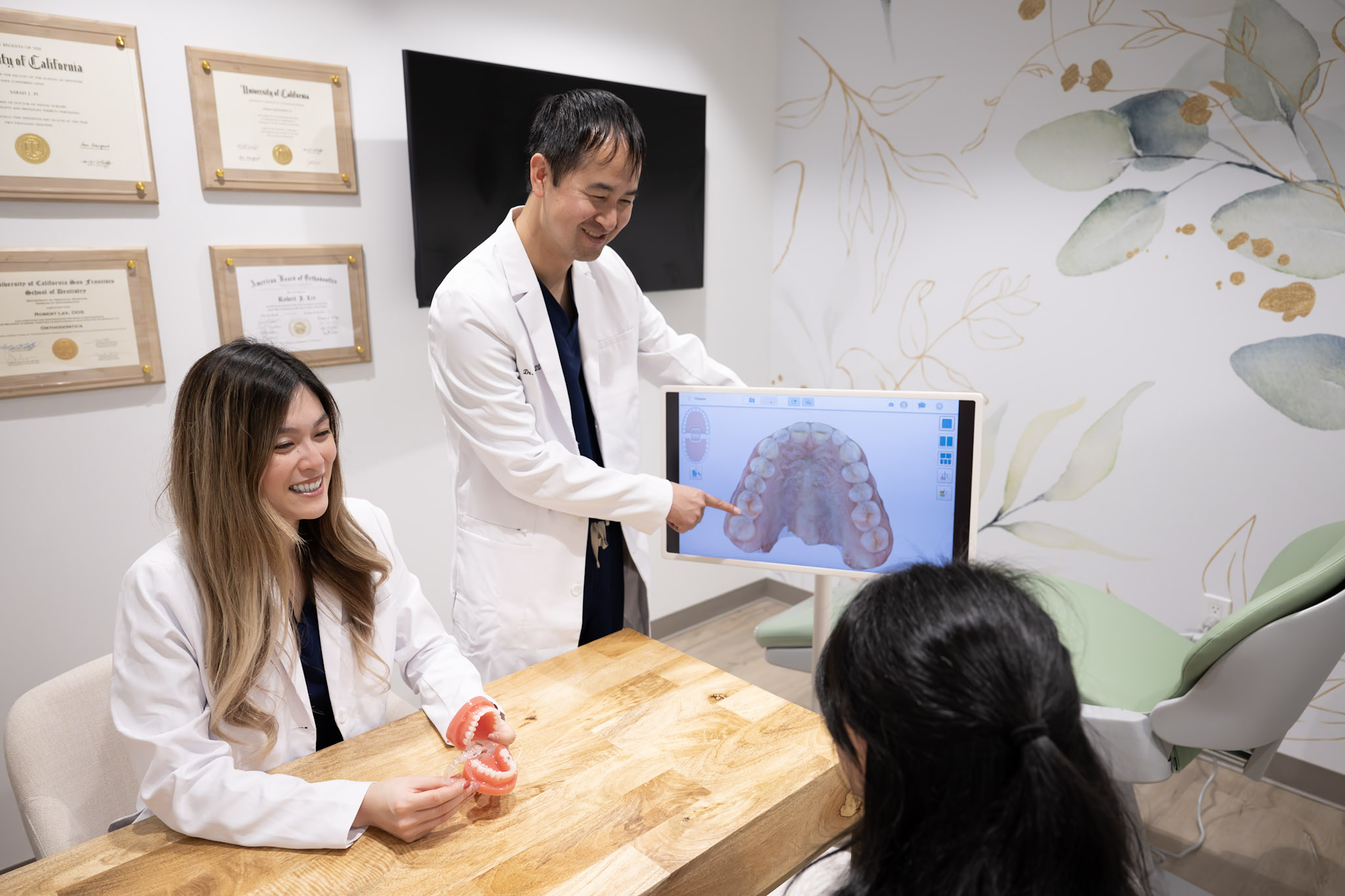
Digital scans, photographs, and appropriate radiographs can help the orthodontist evaluate these factors and compare potential treatment approaches. Rather than asking only whether the teeth can be straightened without extractions, an equally important question is: Can the teeth be aligned without extractions while maintaining healthy tooth positions, an appropriate bite, and a balanced facial profile? That is the question a comprehensive orthodontic treatment plan should answer.
Frequently Asked Questions
Can severe crowding be fixed without removing teeth?
Sometimes. The answer depends on the amount of crowding, available space, tooth positions, jaw structure, and facial profile. Some patients with significant crowding can be treated without extractions, while others benefit from removing teeth to achieve a healthier result.
Can clear aligners fix crowded teeth without extractions?
Yes. Clear aligners can treat many cases of crowding without extractions. However, aligners do not eliminate the need for space. Your orthodontist must still determine whether expansion, IPR, tooth movement, or extractions are appropriate.
Can InSmile lingual braces treat crowded teeth?
Yes. InSmile lingual braces can treat many cases of dental crowding while remaining hidden behind the teeth. They provide a discreet alternative to traditional braces and can be used for a variety of orthodontic tooth movements. Whether InSmile is appropriate depends on the patient's specific treatment needs.
Is it better to avoid tooth extractions for braces?
Not necessarily. Non-extraction treatment is often appropriate, but extractions can be beneficial when there is insufficient room to position the teeth safely. The best treatment is the one that achieves healthy, functional, and esthetic results for the individual patient.
Does my child need an expander if their teeth are crowded?
Not always. Crowding alone does not necessarily mean a child needs early palatal expansion. Some children benefit from early intervention, particularly when a crossbite or significant eruption problem is present. Others can safely wait until their early teenage years for comprehensive orthodontic treatment.
Can crowded teeth get worse with age?
Yes. Dental crowding can change throughout life, and some patients experience increasing crowding of the lower front teeth as they age. Orthodontic treatment can correct existing crowding, but long-term retainer wear is important to maintain alignment.
Personalized Orthodontic Treatment in Tustin
At Life Orthodontics, we believe orthodontic treatment should be designed around each patient's unique needs rather than a one-size-fits-all approach. Our two board-certified orthodontists, Dr. Robert Lee and Dr. Sarah Pi, use advanced digital technology and comprehensive treatment planning to evaluate the most appropriate options for correcting crowded teeth. We take a conservative approach to treatment planning, carefully considering when intervention is necessary, how space should be created, and how to preserve the natural appearance and health of the teeth. Whether treatment involves traditional braces, custom braces, clear aligners, InSmile lingual braces, expansion, or extractions, our priority is achieving a healthy, beautiful smile with long-term stability. Conveniently located in Tustin near Irvine and Santa Ana, Life Orthodontics offers complimentary orthodontic consultations for children, teens, and adults.
Wondering whether your crowded teeth can be corrected without extractions? Schedule a complimentary consultation with Life Orthodontics to explore your treatment options.