How Do Traditional Braces Work?
The Science Behind Creating a Healthy, Beautiful Smile
Traditional braces is the most tried and true approach in orthodontics that have helped millions of people achieve healthier, straighter smiles. At Life Orthodontics in Tustin, we believe it helps when our patients understand how the braces work to move their teeth to their ideal smile. In this blog post, we'll present what traditional braces are and how they work.
What Are Traditional Braces?
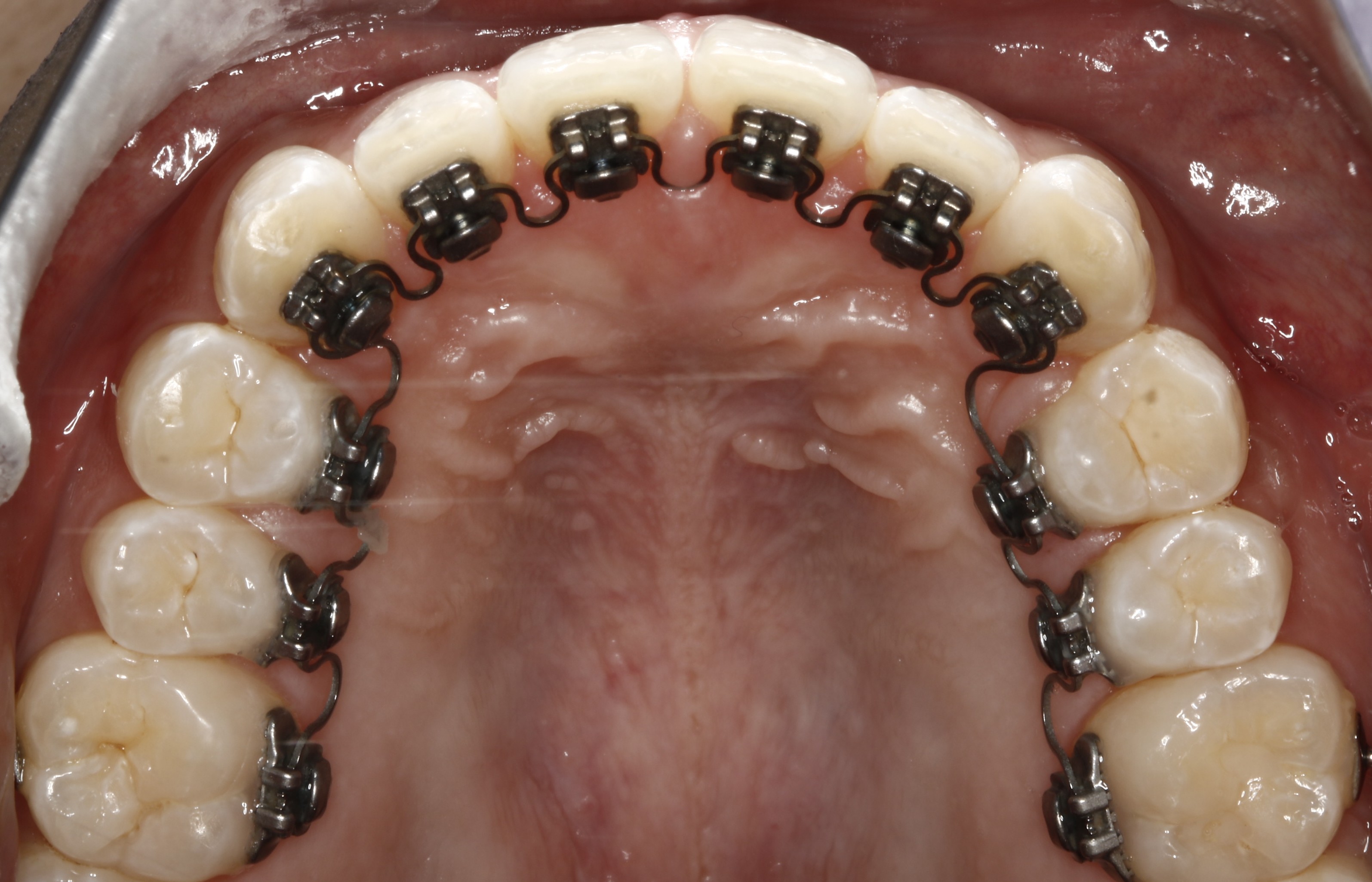
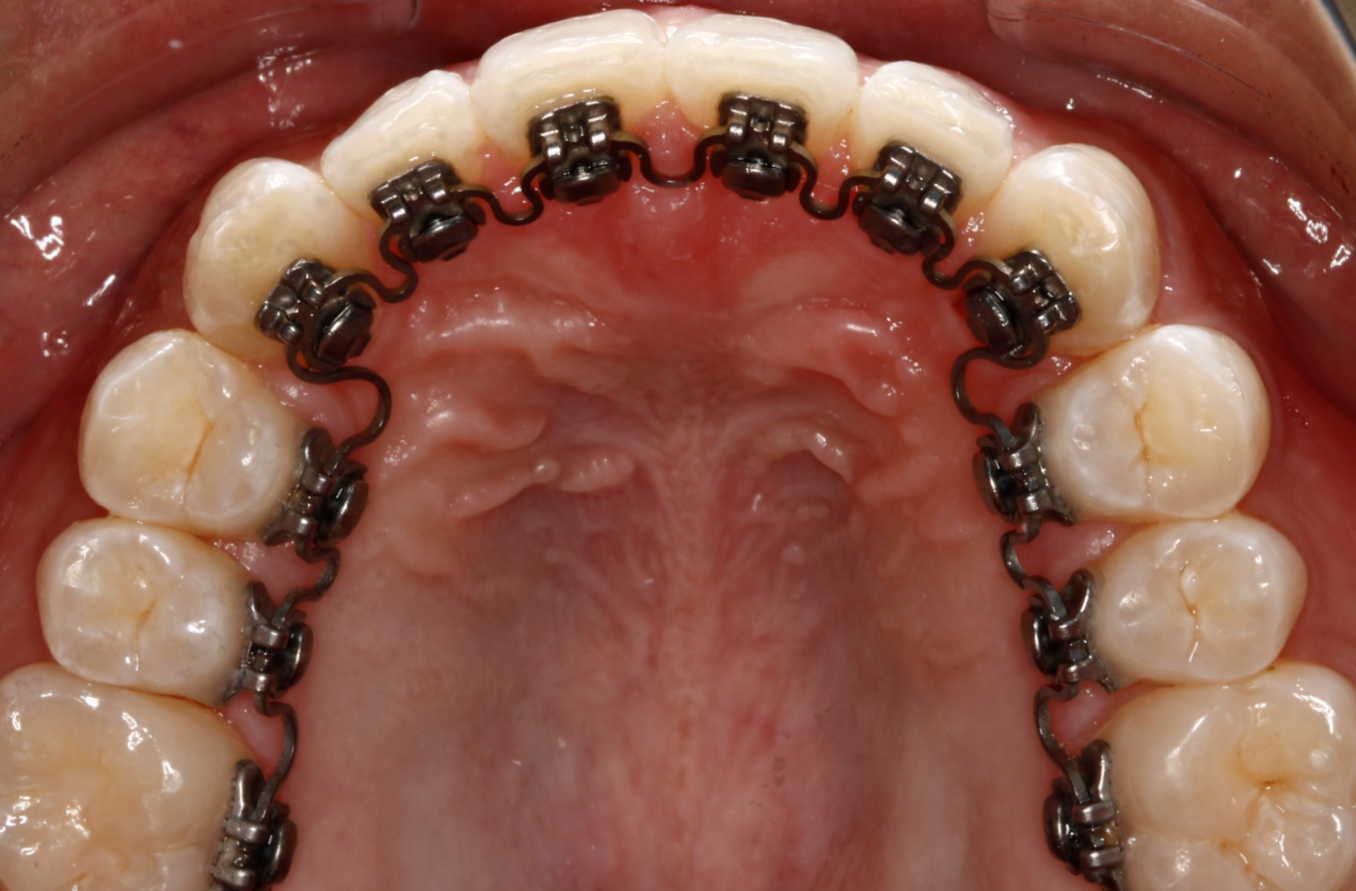
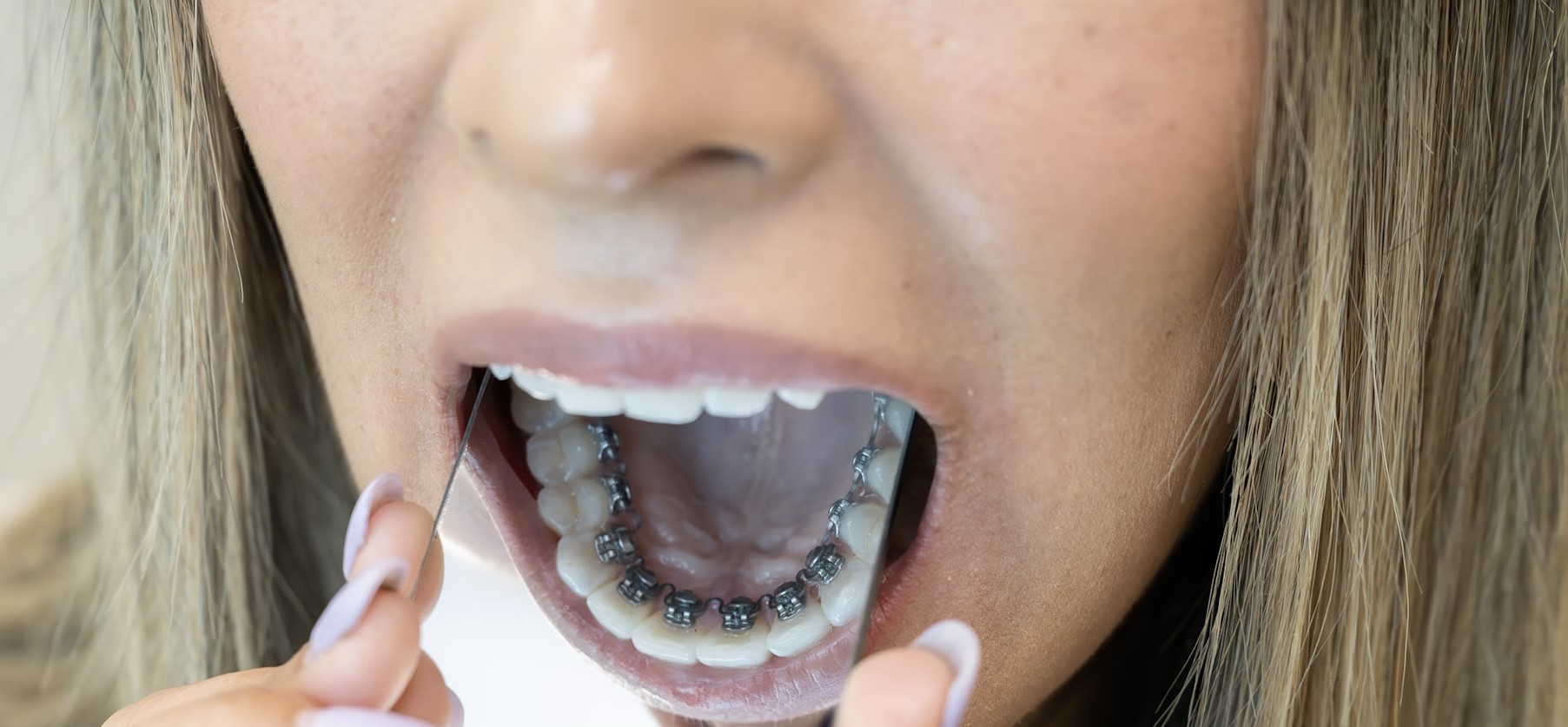
Traditional braces are a system made up of:
- Brackets that are glued to the teeth with special dental adhesive
- Wires that engage into the brackets and provide the active force
- Small elastics (colored ties) or clips/doors that hold the wire in place on the brackets
Together, these three components work together to apply light, continuous, and controlled forces to gradually move teeth into better positions.
How Teeth Actually Move
Many people think braces simply “push” teeth through the bone, but the process is actually much more biological than that.
Your teeth are not fused directly to the jawbone. Instead, each tooth is attached to your jawbone by tiny fibers called the periodontal ligament. Think of these ligaments like tiny shock absorbers or stretchy support fibers around each tooth.
When braces apply gentle pressure to a tooth:
- One side of the ligament gets compressed
- The other side gets stretched
Your body responds naturally by remodeling the surrounding bone:
- Bone dissolves slightly on one side through cells called osteoclasts
- New bone forms on the other side through cells called osteoblasts
This process allows the tooth to slowly move into its new position safely and naturally.
Orthodontic tooth movement is actually a controlled biological process where the body reshapes the bone around the teeth over time.
What Role Do the Brackets and Wires Play?
The brackets act like handles attached to each tooth. The wire running through the brackets is what creates the force that guides the teeth into alignment.
One easy way to think about it is:
- The position of the brackets tell each tooth where it should go
- The wire provides the energy to move them there
As the wire tries to return to its ideal shape, it gently guides the teeth into better positions.
At the beginning of treatment, lighter and more flexible wires are typically used to begin aligning the teeth. As treatment progresses, stronger and more rigid wires help fine-tune the bite and tooth positions. The final wires are also adjustable where your orthodontist can bend the wire to perform fine detailed tooth movements.
Why Orthodontic Treatment Takes Time
One of the most common questions we hear is:
“Why can’t teeth move faster?”
The answer is that teeth can only move as fast as the surrounding bone and gums can safely adapt, so there are biological limitations. Moving teeth too quickly can damage the roots, gums, or bone supporting the teeth.
Orthodontic treatment is a balance between:
- Moving teeth efficiently
- Keeping the teeth and surrounding tissues healthy
That’s why treatment is carefully planned and monitored throughout the process. At Life Orthodontics, because we're aware there's a biological limit to how fast you can move teeth, our main focus in our diagnosis and treatment planning is charting the most efficient path with the least amount of movement required to achieve your ideal smile.
What Can Traditional Braces Correct?
Traditional braces are generally considered the most versatile form of orthodontic treatment that can treat almost any case, including:
- Crowded teeth
- Spacing issues
- Overbites
- Underbites
- Crossbites
- Open bites
- Impacted teeth
- Complex jaw and bite problems
Braces are especially powerful because they allow orthodontists to control teeth in three dimensions with a very high level of precision and also can have been developed to integrate with most auxiliary appliances which further enhances its versatility.
Do Braces Hurt?
Braces do not hurt during placement, but patients typically experience soreness for a few days after adjustments or wire changes.
This soreness happens because the teeth and supporting tissues are beginning to respond to the new forces. Most patients describe it as pressure or tenderness rather than sharp pain.
Fortunately, the mouth adapts quickly, and most patients adjust within several days.
Why Experience Matters with Braces
Braces are not just about attaching brackets to teeth. The true skill in orthodontics lies in diagnosis, treatment planning, and knowing how to control tooth movement efficiently and safely.
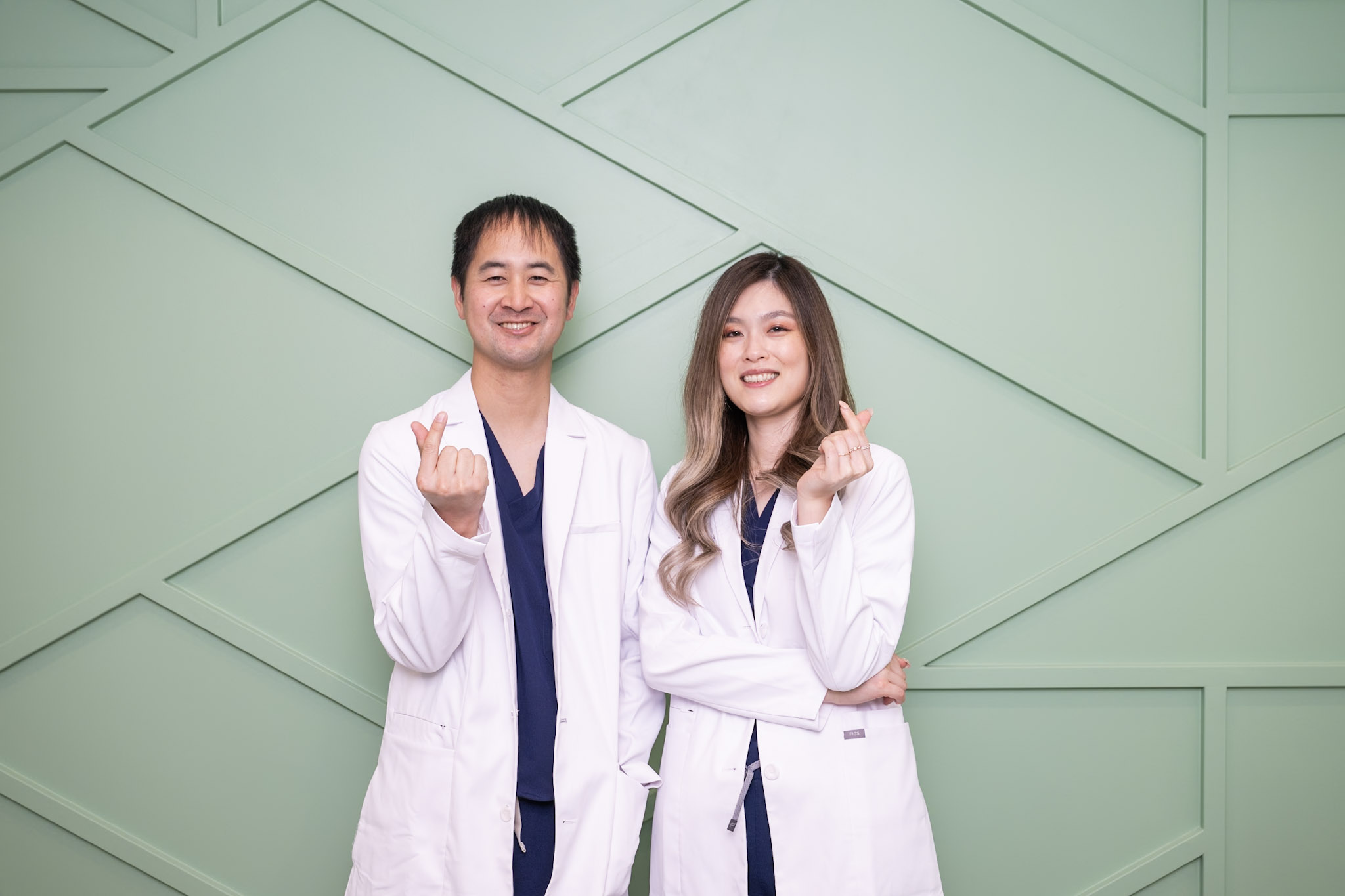
At Life Orthodontics, Dr. Robert Lee and Dr. Sarah Pi are board-certified orthodontists with extensive expertise in complex orthodontic treatment. Their experience allows them to create highly customized treatment plans designed to achieve excellent results as efficiently as possible. In addition, Dr. Lee and Dr. Pi pride themselves on the highest-quality work and are so confident in their work that they guarantee your smile with their Smile for Life Guarantee.
Every smile is different, which is why personalized treatment planning is so important.
Schedule Your Complimentary Consultation
Whether you’re considering braces for yourself or your child, our team at Life Orthodontics is here to help guide you through the process and determine the best treatment option for your smile.
We proudly serve patients throughout Tustin, Irvine, Santa Ana, Costa Mesa, Newport Beach, Orange, and surrounding Orange County communities.
Schedule your complimentary consultation today and take the first step toward a healthier, more confident smile.