The Evolution of Lingual Orthodontics
Hidden Braces in Orange County: How Lingual Orthodontics Evolved With Modern InSmile Treatment
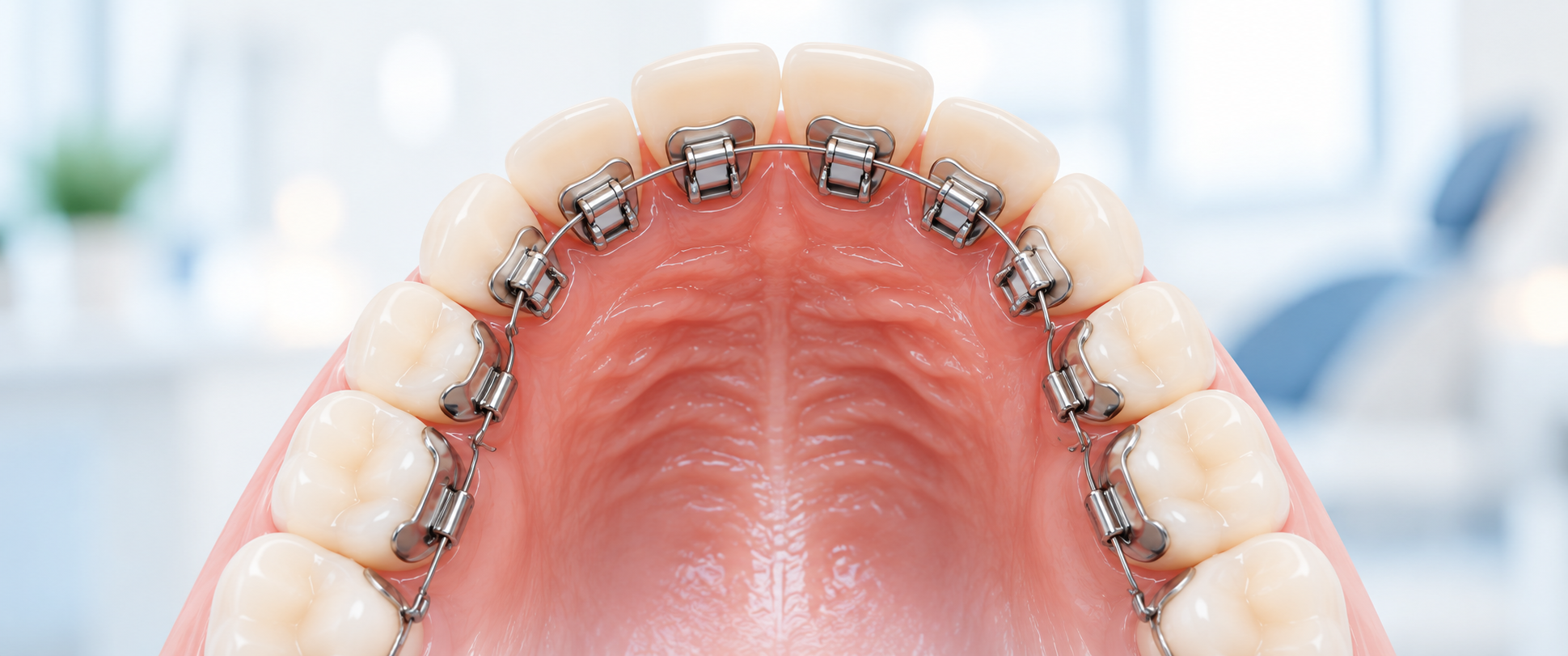
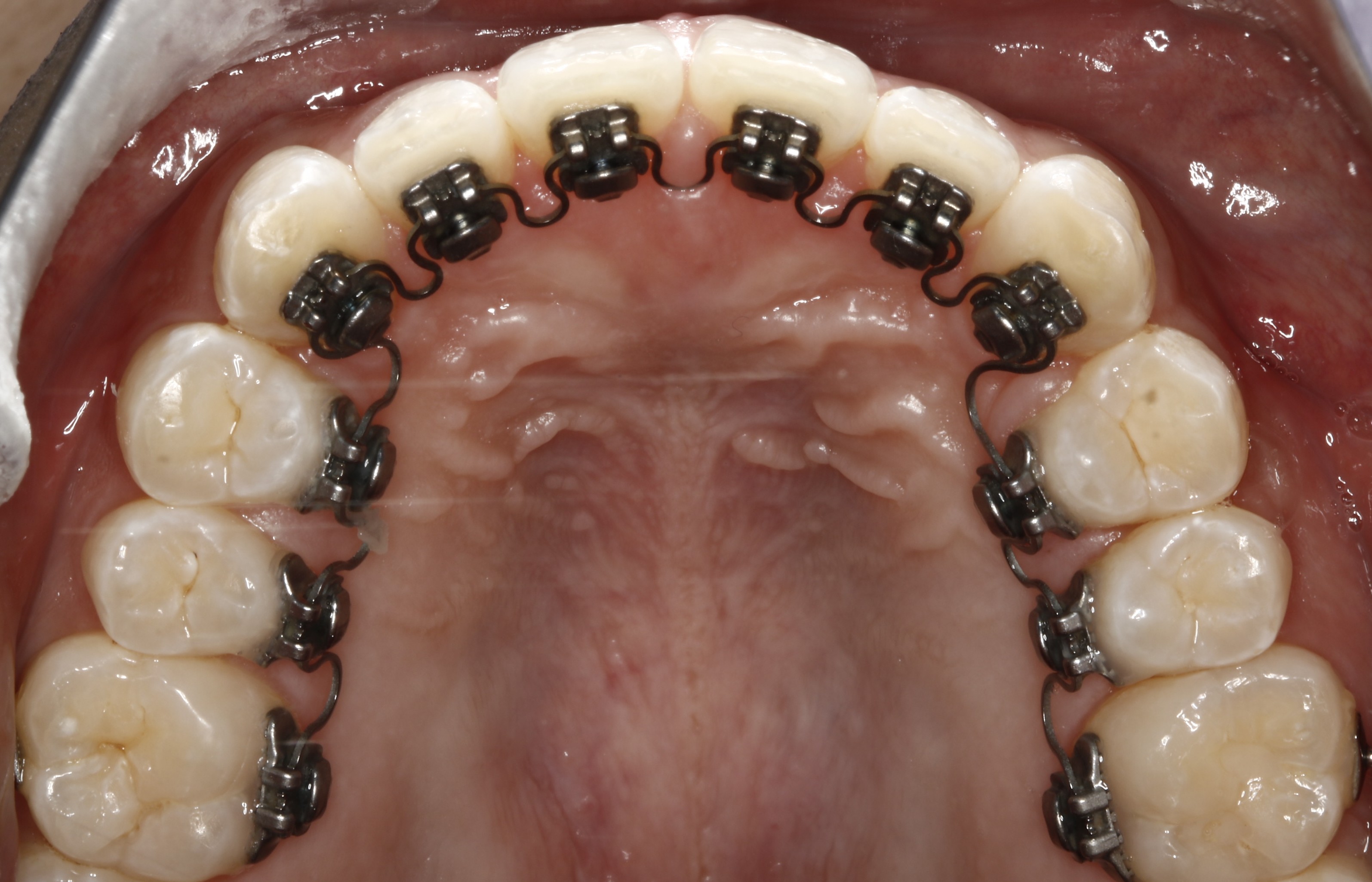
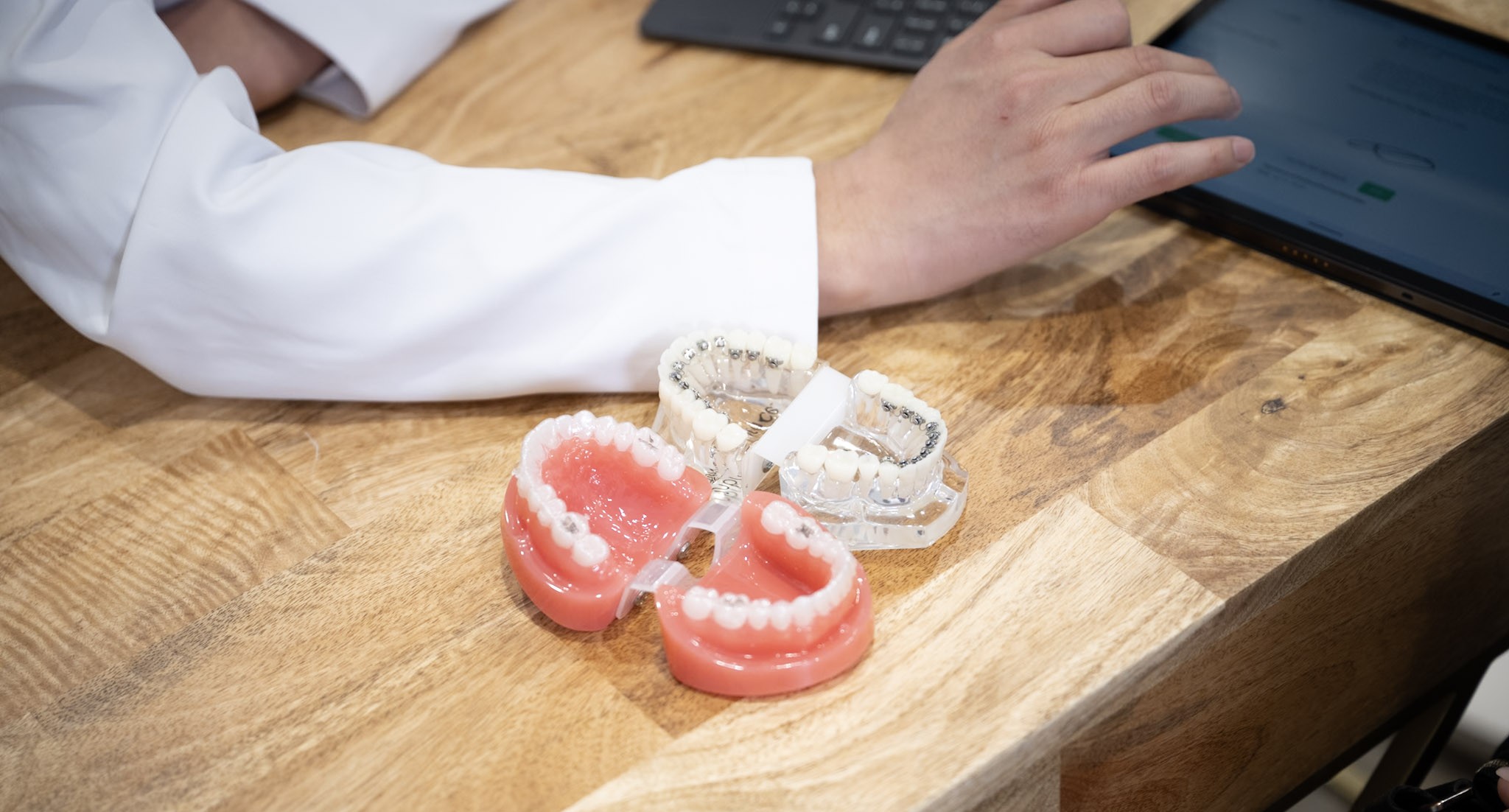
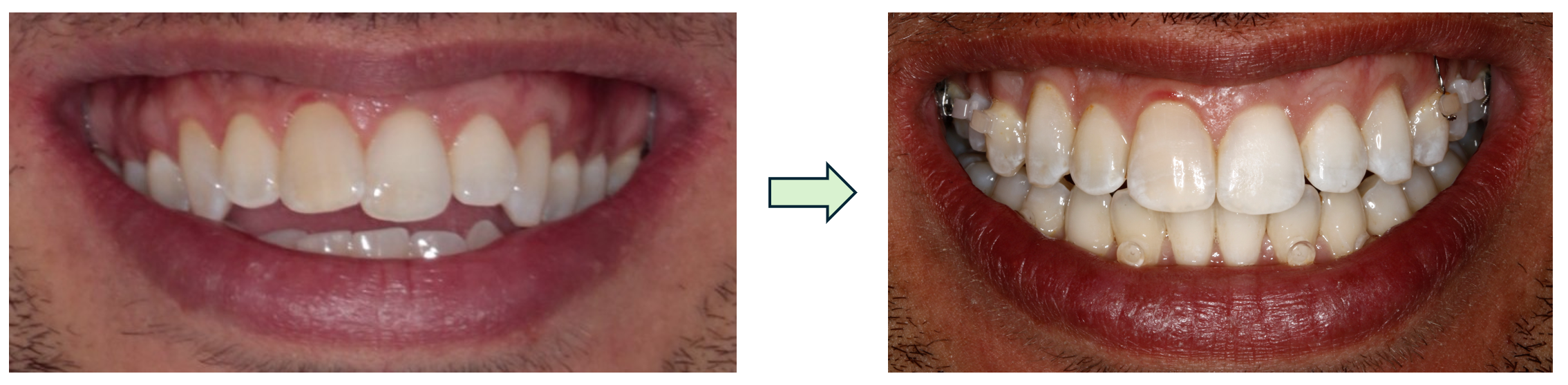
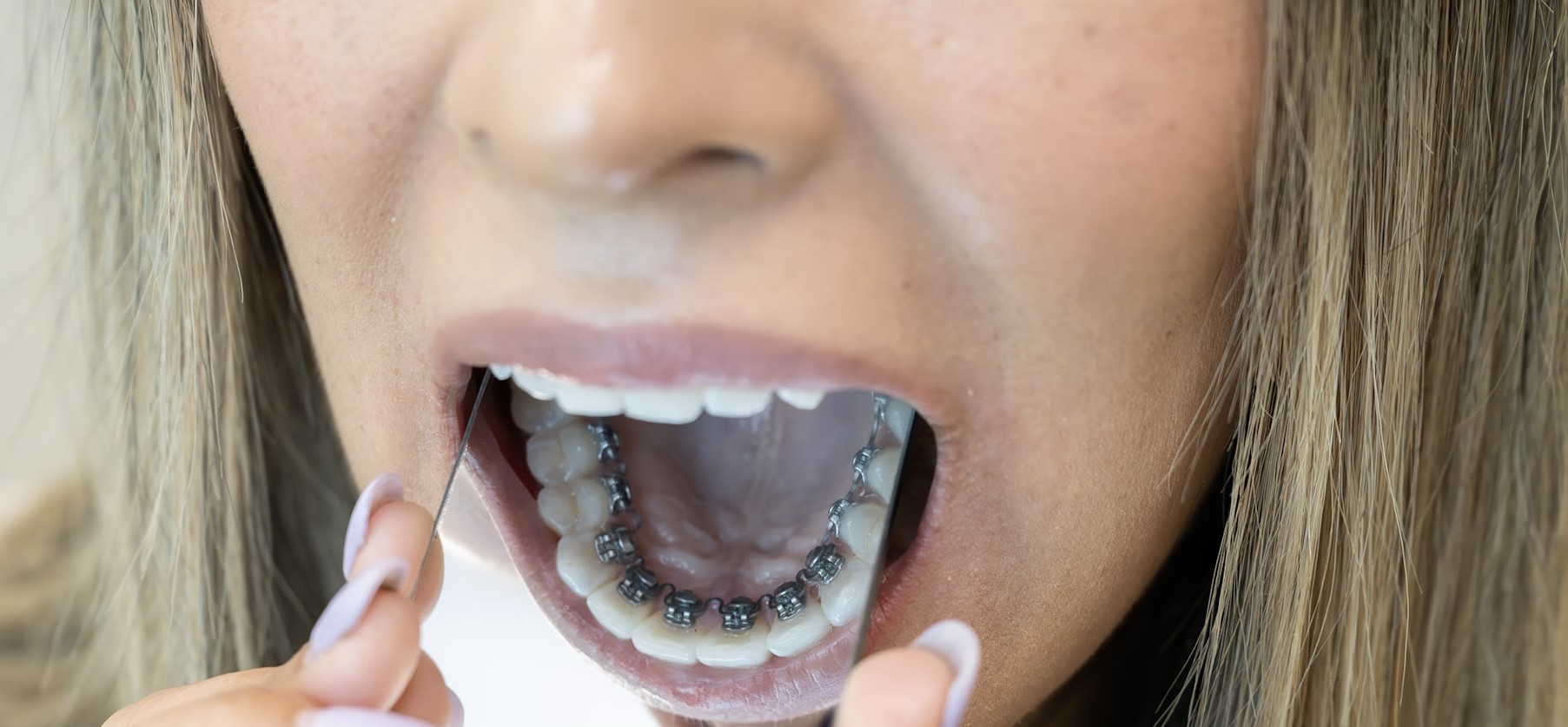
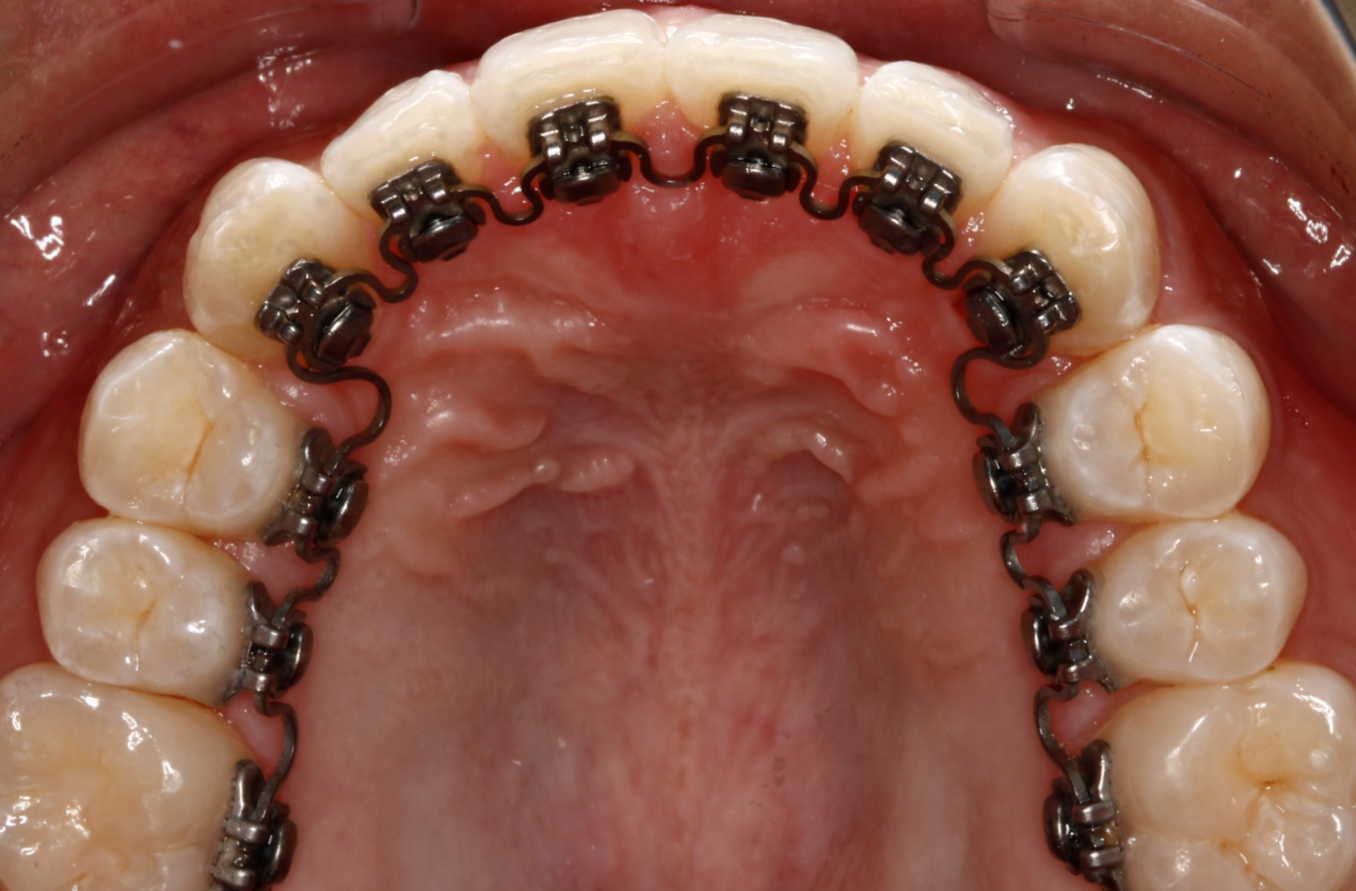
For patients searching for a truly invisible way to straighten their teeth, the esthetics of lingual orthodontics are unmatched when compared to clear aligners (e.g., Invisalign) and traditional braces (metal or clear). Unlike traditional braces that sit on the front of the teeth and clear aligners that require attachments, lingual braces are placed behind the teeth, making them completely hidden from view during everyday life.
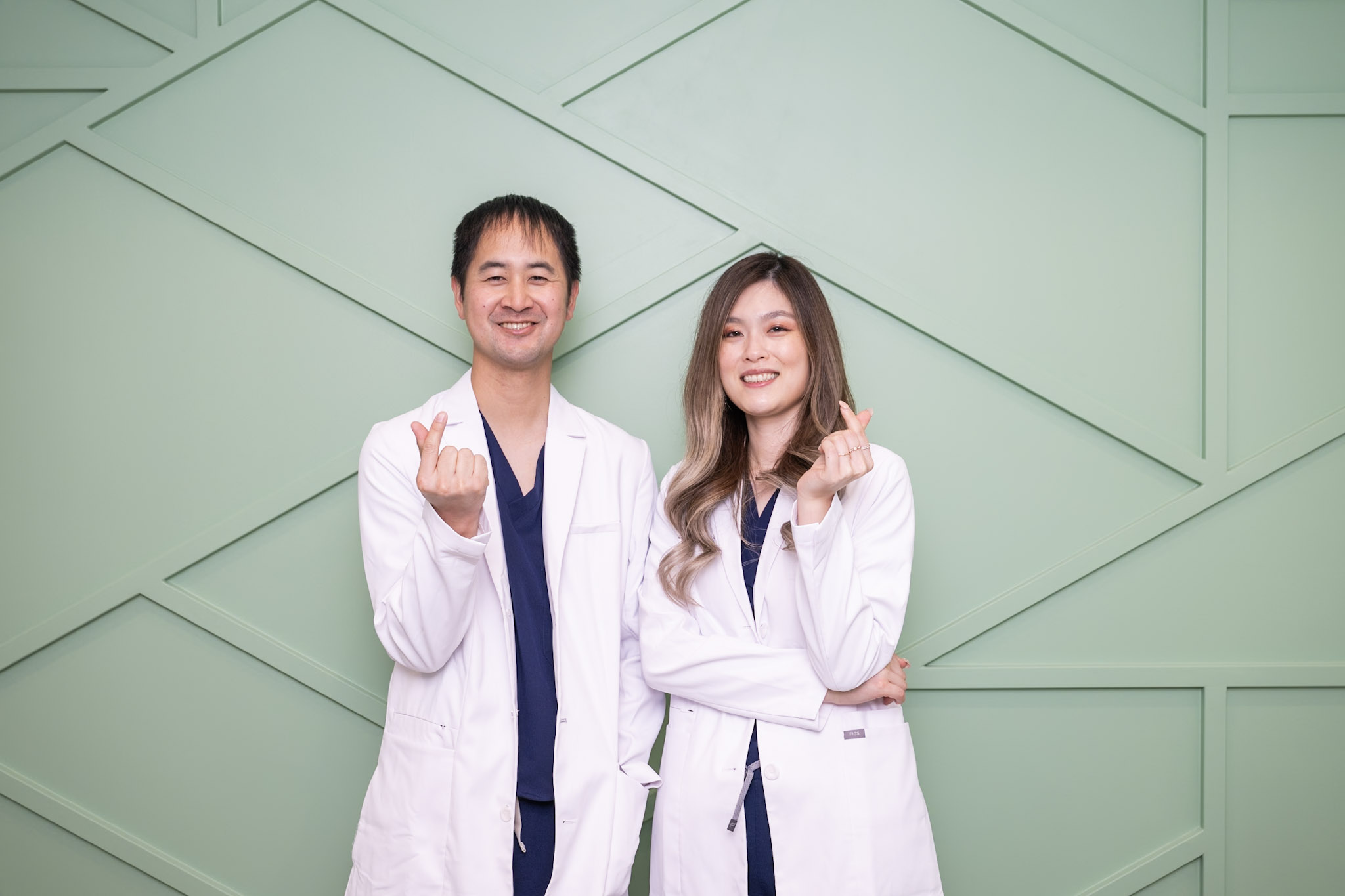
At Life Orthodontics in Tustin, we are proud to be the leading expert in lingual braces in Orange County. Dr. Robert Lee and Dr. Sarah Pi are nationally recognized authorities on InSmile Braces (formerly InBrace), and Dr. Robert Lee was the co-inventor behind the original InBrace technology and is currently the lead developer of its successor, InSmile Braces where he serves as its Chief Medical Officer.
Today, patients from Tustin, Irvine, and throughout Orange County travel to Life Orthodontics specifically for our expertise in InSmile hidden braces and lingual orthodontic treatment.
What Are Lingual Braces?
Lingual braces are a type of orthodontic treatment where the braces are attached to the back side of the teeth instead of the front. Because they are hidden behind the teeth, lingual braces are often called:
- Hidden braces
- Behind-the-teeth braces
- Invisible braces
- Lingual orthodontics
Lingual braces allow patients to straighten their teeth discreetly without the visible appearance of traditional braces.
For many adults, professionals, teenagers, performers, and content creators, lingual braces provide the perfect balance between esthetics and effectiveness.
The Early History of Lingual Braces
Lingual orthodontics were first invented in the 1970s and and several different generations of lingual braces were developed in the 1980s when orthodontists began working with an orthodontics company named Ormco. Early lingual braces were extremely difficult to work with because these early versions of lingual braces were simply trying to adapt traditional braces that worked on the front of the teeth to the back side of the teeth. The back side of the teeth are much more irregular and harder to access compared to the front surfaces, so othodontists faced several major challenges that they were not familiar with which included:
- Difficult bonding technique
- Complex bracket placement due to the irregular lingual dental anatomy
- Highly complex wire bending
- Patient discomfort
Because of these challenges, lingual orthodontics never gained popularity in the orthodontics market and remained a niche area for the past 50 years and are still today practiced by only a small number of highly specialized orthodontists.
How Digital Technology Changed Lingual Braces
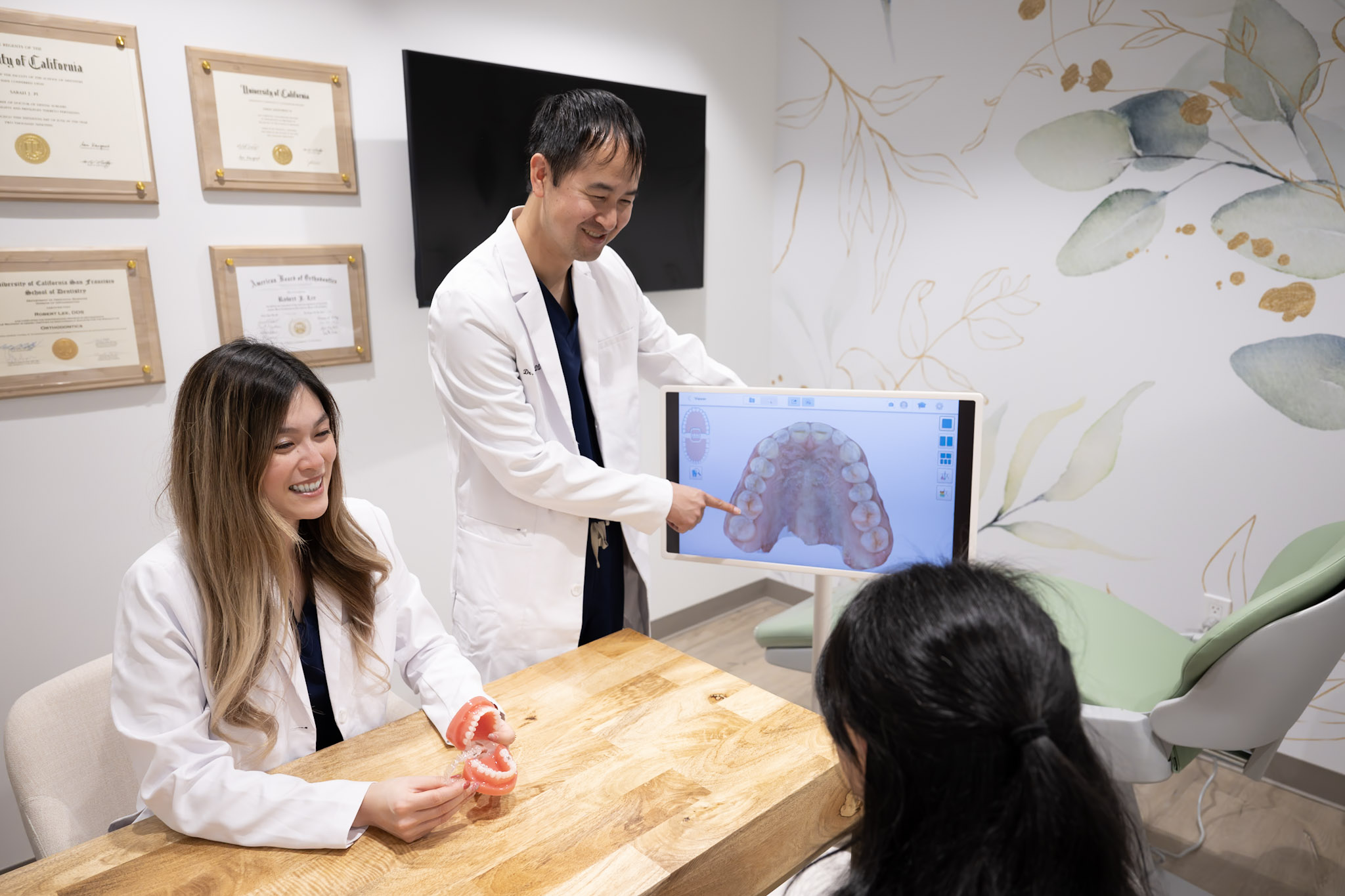
As orthodontics entered the digital age, lingual orthodontics evolved dramatically with the advancements in 3D digital scanning, software, and CAD/CAM technology which allowed orthodontists to create fully customized lingual braces systems for each patient. Furthermore, advances in orthodontic auxiliaries, bonding aids, and adhesives made the bonding technique easier and more predictable. Now with current lingual braces, instead of using standard braces and manually bending wires like with lingual braces of the past, orthodontists can now:
- Digitally plan every tooth movement on the computer
- Create patient-specific brackets and wires
- Bond brackets that are digitally planned using indirect bonding trays instead of manual positioning
This modern digital workflow transformed lingual orthodontics from a highly difficult treatment option into one of the most advanced and efficient forms of orthodontic care available today.
The Development of InBrace and InSmile Braces
One of the biggest advancements in lingual orthodontics came with the development of InBrace which is now called InSmile Braces.
Rather than adapting traditional braces to the back of the teeth, the system was designed specifically for lingual treatment from the ground up. The technology introduced a completely new bracket and wire concept that were designed to be more comfortable for patients and easier to use for orthodontists and their staff.
Dr. Robert Lee, co-founder of Life Orthodontics, was one of the co-inventors and developers of the original InBrace technology where he helped develop all of the treatment protocols and clinical systems used in offices across the country. Dr. Sarah Pi, co-founder of Life Orthodontics, was also one of the clinical advisors where she taught the InBrace system to orthodontists nationwide.
At Life Orthodontics, Dr. Lee and Dr. Sarah Pi have treated and reviewed more InBrace and InSmile cases than almost anyone in the world, so they are the best orthodontists to see in Tustin and Orange County if you're looking for lingual braces.
Why Patients Choose Hidden Braces
Many patients searching for an orthodontist in Tustin or Orange County want treatment that fits naturally into their daily life without drawing attention to their smile.
One of the biggest benefits of lingual braces is that they are completely hidden behind the teeth. Most patients report that:
- Friends and coworkers never realized they had braces
- They felt more confident during treatment
- They could smile naturally in photos and social situations
Unlike clear aligners, lingual braces are also compliance-free. Since the braces are fixed to the teeth, they are always working and do not rely on remembering to wear removable trays.
Benefits of Modern Lingual Orthodontics
Modern hidden braces systems like InSmile offer several advantages:
- Completely hidden orthodontic treatment
- Digitally customized treatment planning
- Efficient tooth movement
- Fewer appointments compared to traditional braces
- No removable trays to manage
- Ability to treat complex orthodontic problems
For many patients, lingual braces provide the ideal combination of esthetics, efficiency, and precision.
Why Experience Matters with Lingual Braces
Lingual orthodontics remains one of the most technically advanced forms of orthodontic treatment. Proper diagnosis, treatment planning, and biomechanics require significant expertise and experience. Most orthodontists were not trained in lingual orthodontics when they were in school and as a result have little experience with it. Dr. Lee and Dr. Pi have spent the last 10 years focused on not only learning lingual orthodontics, but teaching lingual braces mechanics to orthodontists nationwide.
At Life Orthodontics, lingual orthodontics is one of our core specialties. Dr. Robert Lee and Dr. Sarah Pi are nationally recognized experts in hidden braces treatment and have helped shape the evolution of modern lingual orthodontics. Patients travel throughout Orange County and even from several hours away to see our orthodontists at Life Orthodontics because of our unmatched experience with InSmile and lingual braces.
Is Lingual Orthodontics Right for You?
Lingual braces are an excellent option for:
- Adults wanting discreet orthodontic treatment
- Professionals concerned about appearance
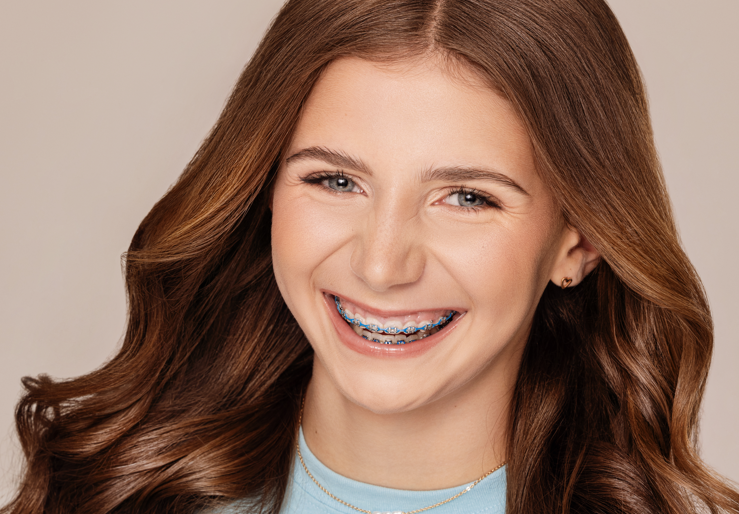
- Teenagers looking for invisible braces
- Patients wanting a compliance-free alternative to clear aligners
- Patients with more complex orthodontic needs
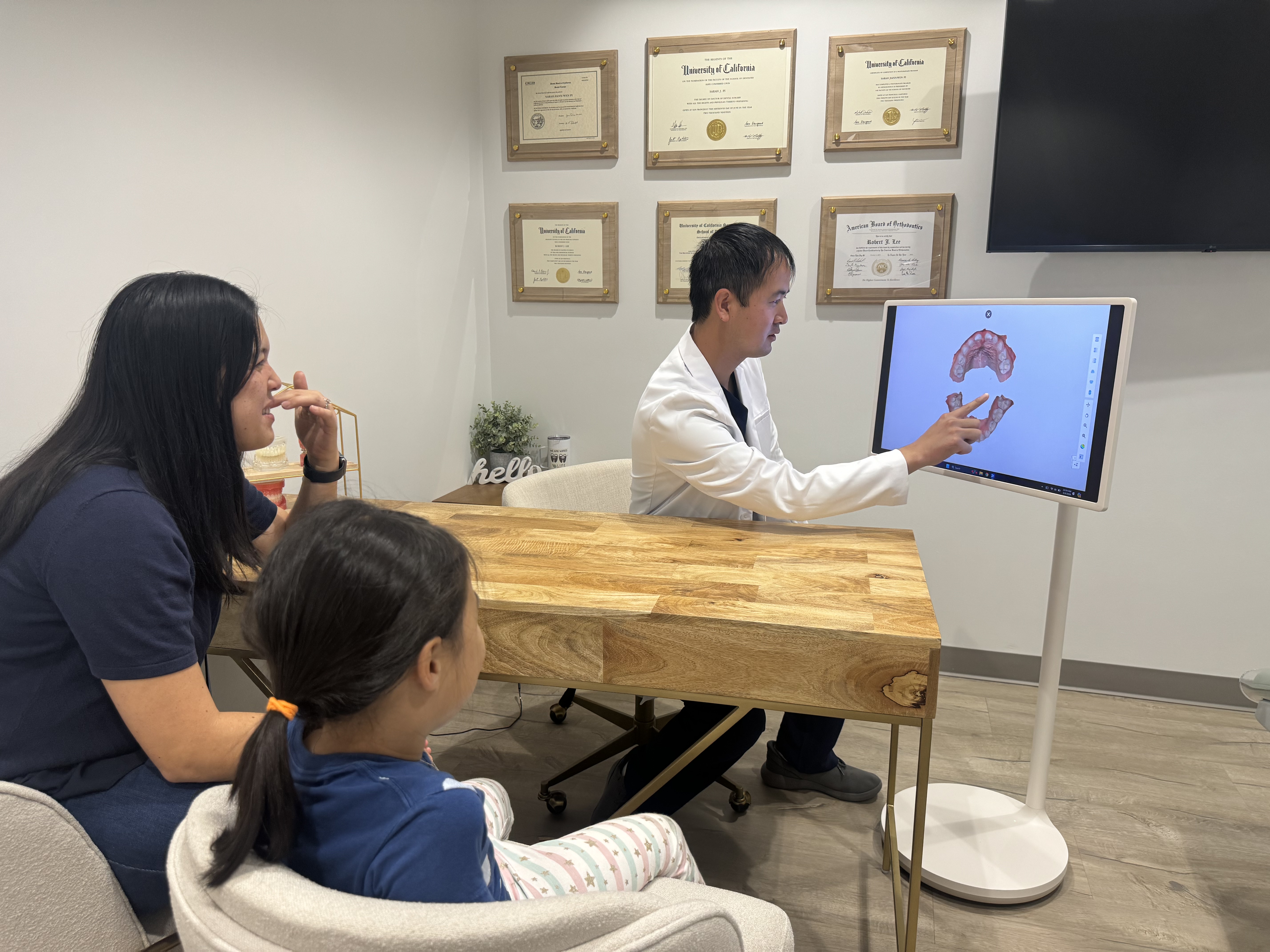
The best way to determine if lingual braces are right for you is through a personalized orthodontic consultation.
Schedule a Complimentary Consultation at Life Orthodontics
If you are looking for an expert orthodontist for hidden braces, lingual orthodontics, or InSmile Braces in Tustin or Orange County, our team at Life Orthodontics would love to help.
We are proud to be one of the leading providers of lingual orthodontics and hidden braces treatment in Orange County.
Schedule your complimentary consultation today and discover why so many patients trust Life Orthodontics for advanced, personalized orthodontic care.