Lingual Braces Comparison
InSmile vs. WIN vs. Brava vs. SureSmile: Comparing Today's Lingual Braces Systems
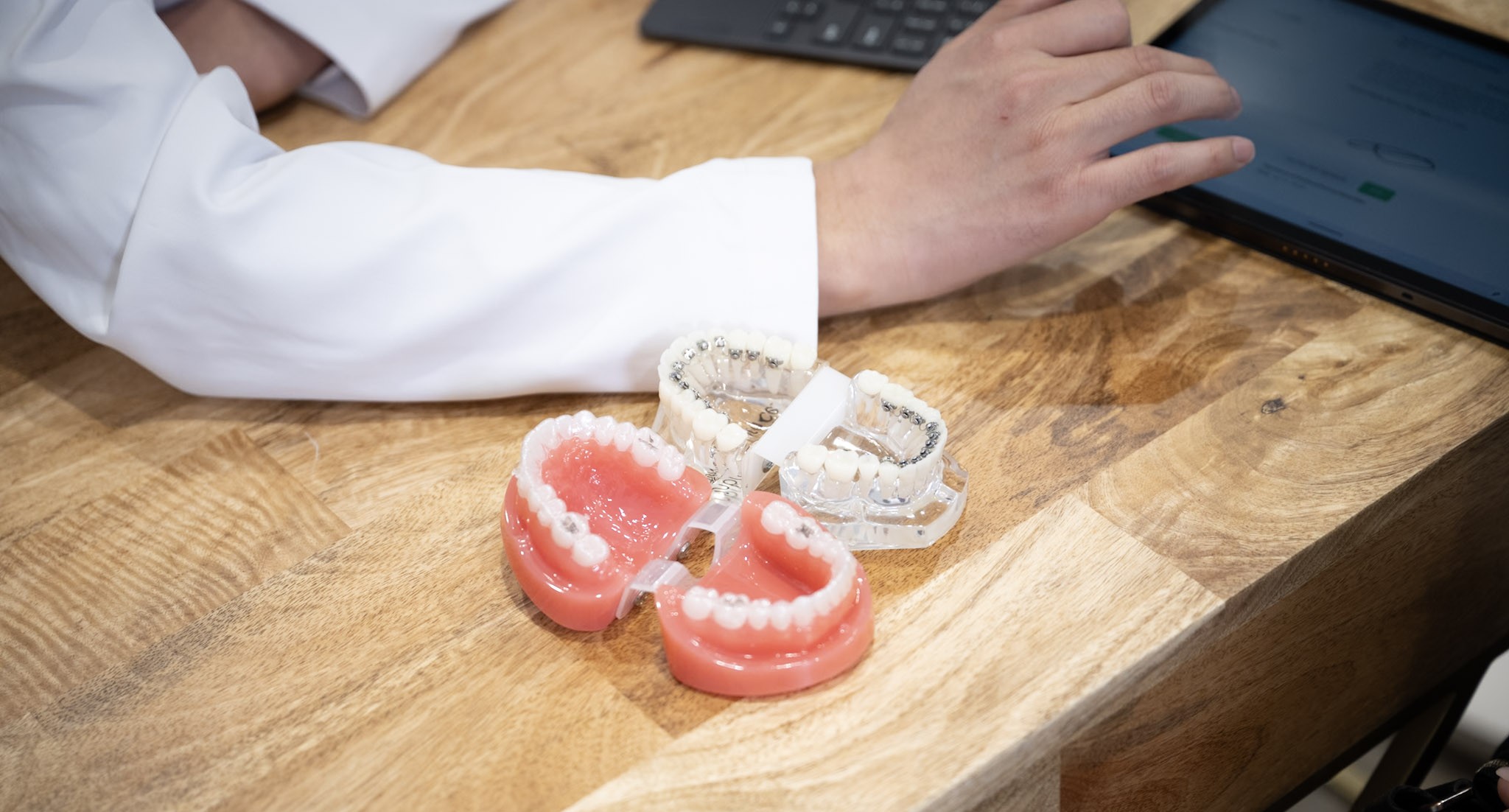
Lingual braces, sometimes called hidden braces or behind-the-teeth braces, have been available in different forms for decades. However, the lingual orthodontic landscape has changed considerably over the years. Several well-known lingual systems from the past, including Incognito, Harmony, and InBrace, are no longer available in their original form. Today, patients researching lingual orthodontics may encounter systems such as SureSmile lingual treatment, WIN Lingual Braces, Brava by Brius Technologies, and InSmile Braces.
Although all four approaches share the same basic goal of moving teeth with an appliance hidden behind the teeth, the way they accomplish tooth movement can be quite different. As an orthodontist who has spent much of my career developing, studying, teaching, and treating patients with lingual orthodontic systems, I wanted to explain some of these differences and the potential advantages and considerations associated with each approach.
Important Disclosure
Dr. Robert Lee is a co-inventor of the technology behind InSmile Braces, serves as Chief Medical Officer of InSmile Braces, and has a financial interest in the company. Life Orthodontics uses InSmile as its primary lingual orthodontic system.
This article is intended to explain differences among currently available lingual systems based on publicly available information, published research, manufacturer materials, and Dr. Lee's clinical experience. Readers should consider Dr. Lee's relationship with InSmile when evaluating his opinions regarding InSmile and the other systems discussed in this article.
Why Are There Different Types of Lingual Braces?
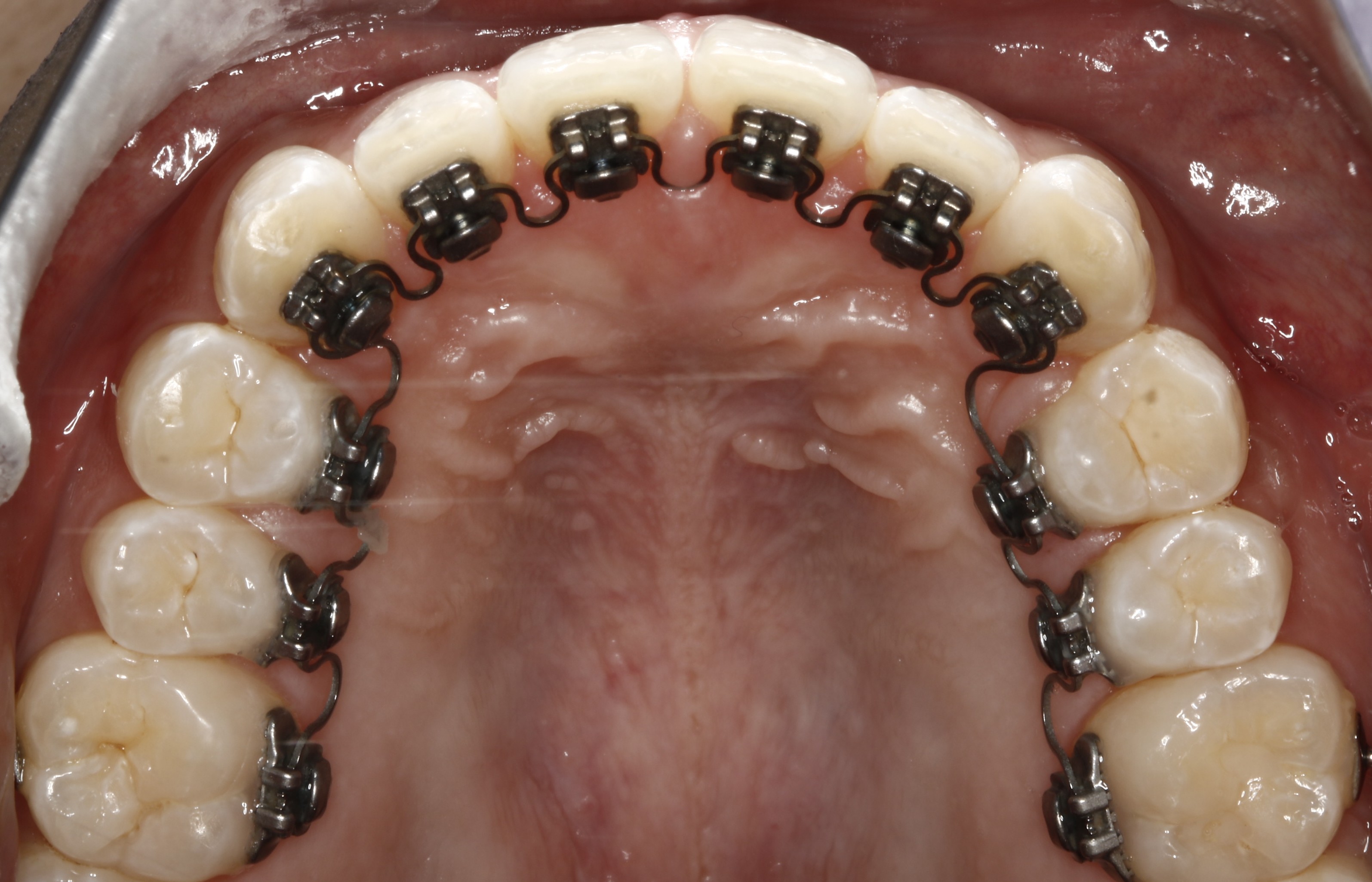
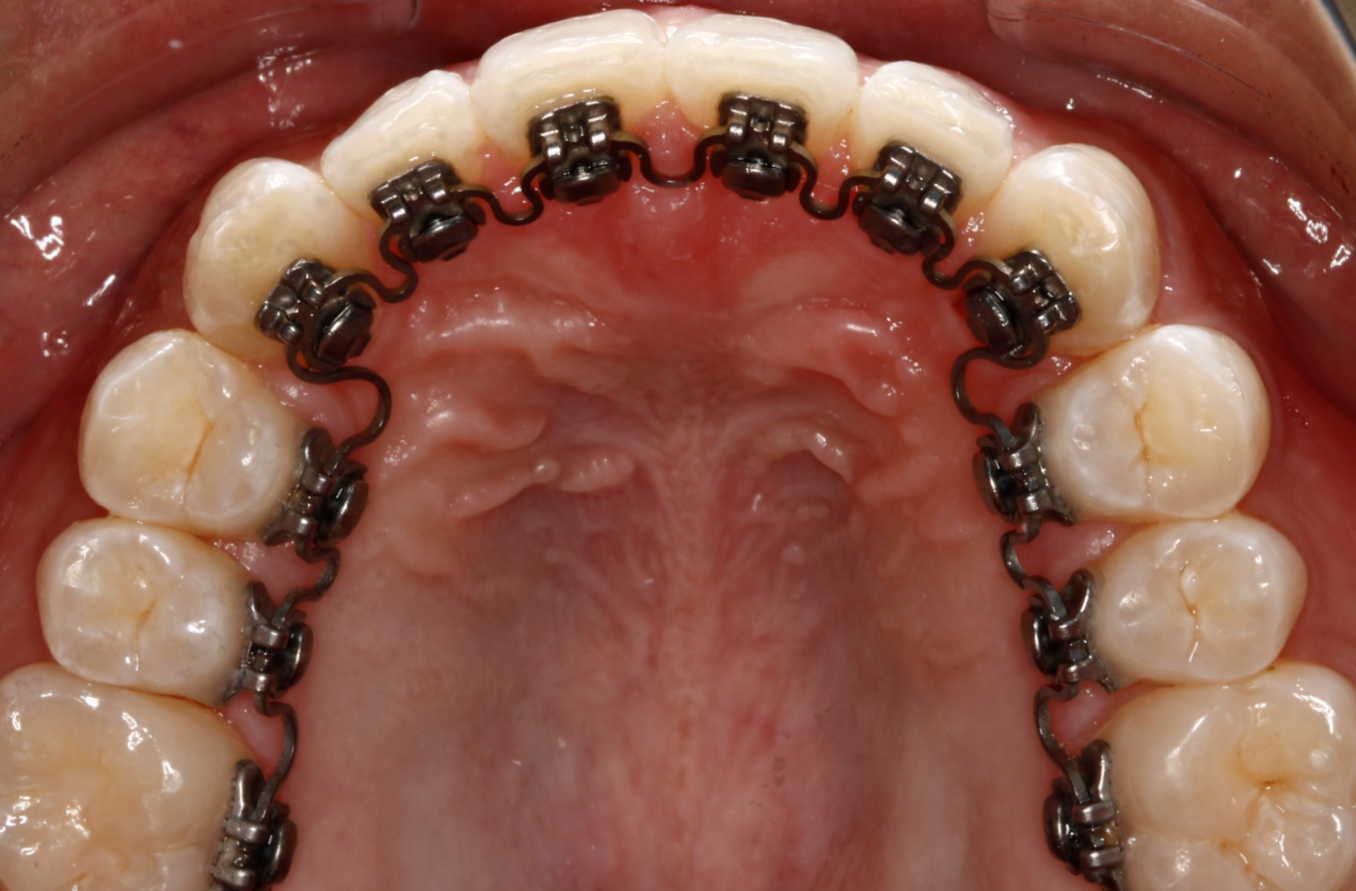
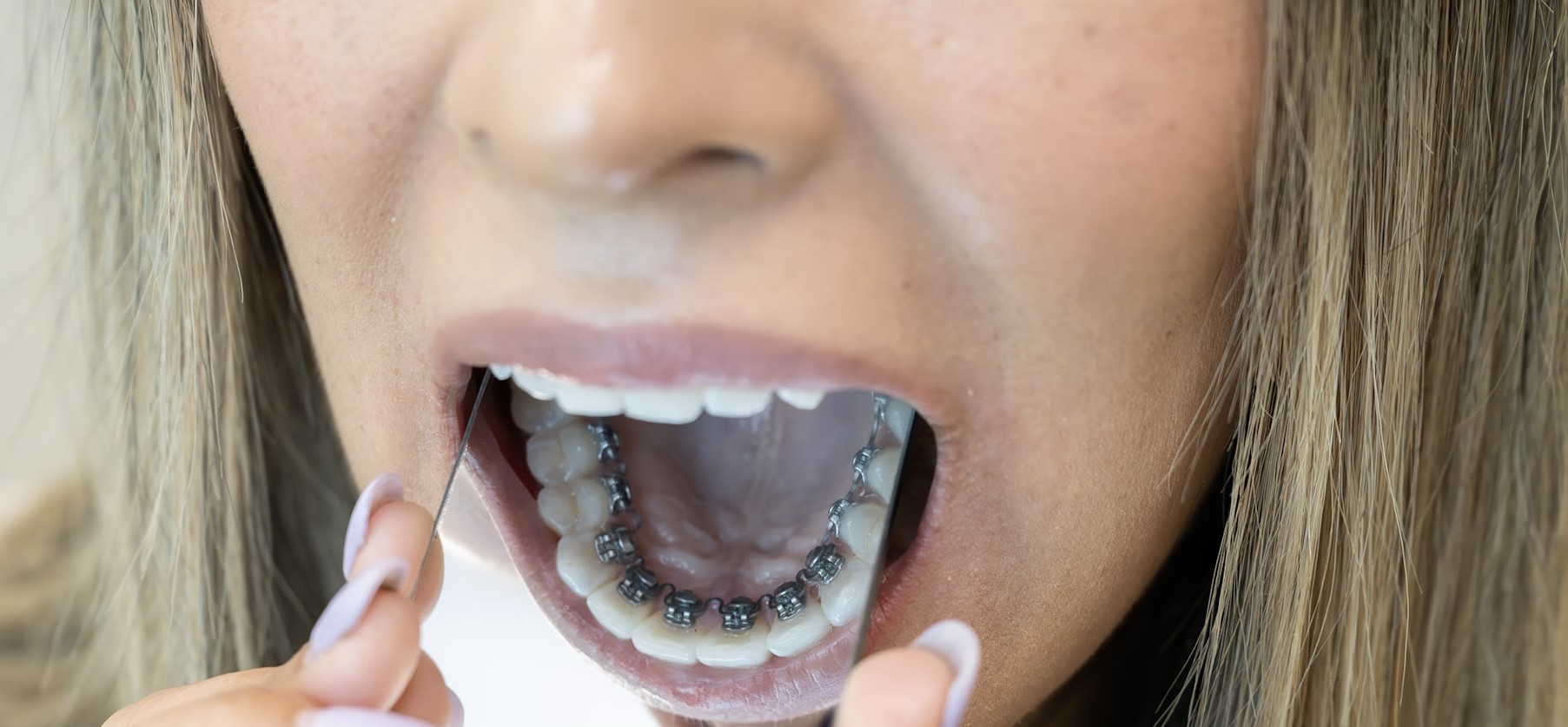
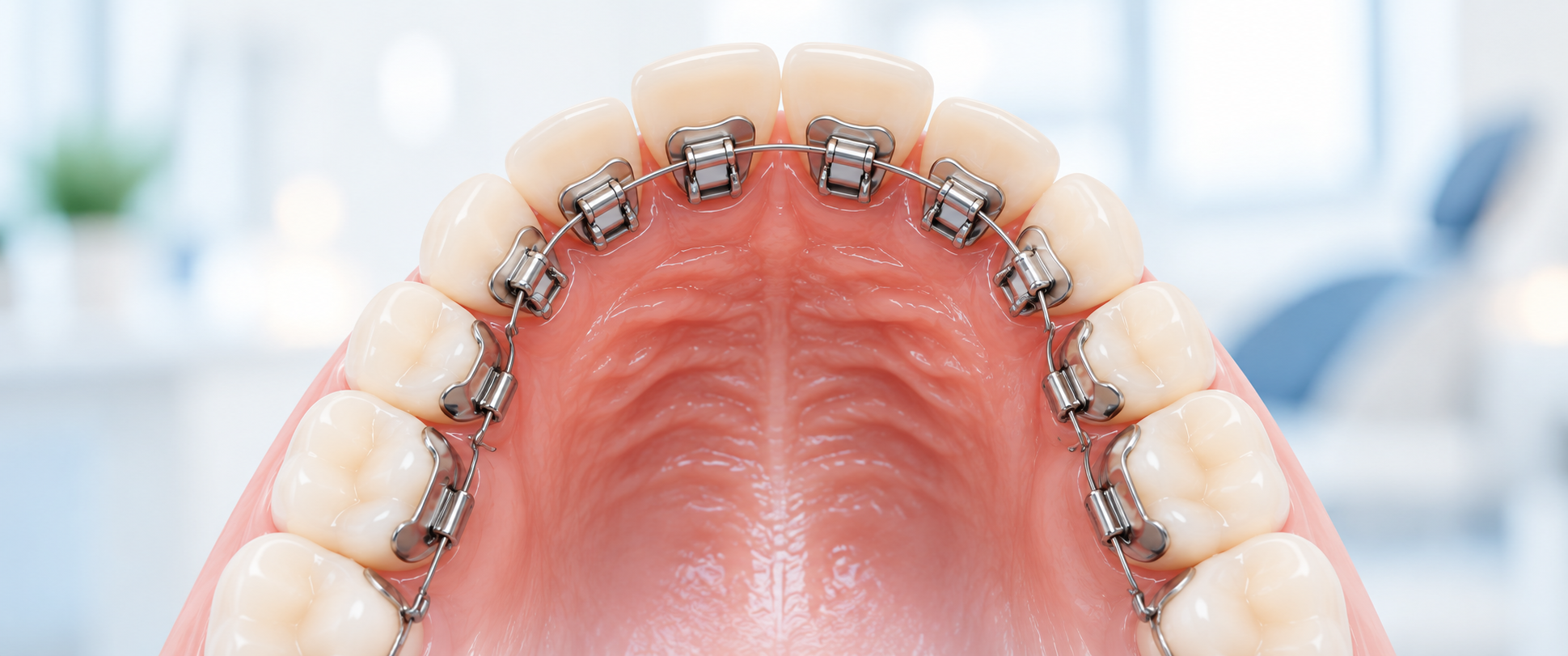
With traditional braces, brackets and wires are placed on the outside of the teeth. Lingual braces moves the appliance to the inside, or tongue side, of the teeth.
That seemingly simple change creates additional challenges for orthodontists. There is less working space behind the teeth, distances between brackets may be shorter, visibility and access are reduced, and inserting and adjusting wires can be more technically demanding. Research has demonstrated meaningful biomechanical differences between labial and lingual appliances, including differences related to interbracket distance and wire orientation.
Different lingual systems have therefore attempted to address these challenges in different ways. Some preserve much of the traditional bracket-and-wire approach. Others customize the brackets and wires to the individual patient, while newer systems have redesigned the force-delivery system itself. Understanding these differences can help patients make sense of the lingual treatment options available today.
1. SureSmile Lingual Treatment
SureSmile is somewhat different from the other systems in this comparison because it is not primarily a proprietary lingual bracket system. Instead, SureSmile provides digital orthodontic treatment planning and customized archwires that can be used with lingual brackets. Its treatment-planning software is very robust where it can also be used for aligners and traditional braces.
How Does SureSmile Lingual Treatment Work?
SureSmile lingual treatment generally follows a bracket-and-wire approach familiar to orthodontists. Lingual brackets are bonded behind the teeth. Initial alignment and derotation can be performed with stock shape-memory archwires before an intraoral scan captures the current positions of the teeth and brackets. The orthodontist then develops the desired digital setup and prescribes customized SureSmile archwires based on the treatment plan. This means SureSmile can combine traditional braces mechanics with digitally planned, customized wires.
Potential Advantages of SureSmile Lingual Treatment
One of SureSmile's strengths is clinical flexibility. Rather than requiring the orthodontist to use one proprietary lingual bracket design, the digital system incorporates bracket information into treatment planning and custom-wire fabrication. This means that an orthodontist can choose any stock lingual bracket system in existence to use with SureSmile. The orthodontist can then use customized archwires designed around the patient's actual tooth and bracket positions.
For an orthodontist already experienced with traditional lingual mechanics, this provides a digital approach while preserving many familiar fixed-appliance principles.
Considerations With SureSmile Lingual Treatment
SureSmile does not eliminate many of the technical challenges inherent to traditional lingual orthodontics. The orthodontist and clinical team still need to understand lingual bracket positioning, wire engagement, wire sequencing, space management, and finishing. SureSmile's own clinical documentation emphasizes the importance of evaluating interbracket distance and lingual surface length and notes that correct engagement of the customized wires is critical.
For patients, the practical question is therefore not simply whether an orthodontist has access to SureSmile, but whether that orthodontist routinely uses SureSmile for lingual treatment and has significant experience with lingual mechanics.
Bottom line: SureSmile provides a digitally customized approach to traditional lingual bracket-and-wire treatment and can give an experienced lingual orthodontist considerable flexibility.
2. WIN Lingual Braces
WIN takes customization further by using an appliance specifically developed for lingual orthodontics. Unlike a system that uses commercially available lingual brackets with customized wires, WIN individually manufactures both the brackets and archwires for the patient. The manufacturer describes its brackets as individually designed for each patient's tooth anatomy and its archwires as individually manufactured for the patient's treatment.
How Does WIN Work?
WIN follows many of the principles of traditional fixed orthodontics but applies them through a completely customized lingual appliance. The desired treatment result is planned in advance, and the brackets and archwires are manufactured around that plan. Treatment then progresses through different archwires and orthodontic mechanics. Published WIN protocols describe sequences involving nickel-titanium, stainless-steel, and TMA wires, along with mechanics such as power chains when indicated.
Potential Advantages of WIN
One of WIN's major strengths is the degree of customization. Both the brackets and wires are individualized, allowing the appliance to be manufactured around the planned tooth positions rather than relying on a standard bracket prescription.
WIN also has a meaningful body of published clinical research. One retrospective study comparing planned and achieved tooth positions found relatively small discrepancies for anterior teeth, with somewhat larger discrepancies in posterior segments. The authors concluded that the planned setup could be achieved with high accuracy using the appliance.
For an orthodontist experienced with the system, WIN also retains considerable flexibility because many established fixed-appliance mechanics can still be incorporated during treatment.
Considerations With WIN
The tradeoff is that WIN retains many of the clinical mechanics associated with traditional fixed lingual orthodontics. Archwires are changed during treatment, and the orthodontist and clinical team need to understand lingual wire engagement, auxiliaries, space closure, finishing mechanics, and troubleshooting. WIN's own patient information describes archwire changes during treatment and checkups generally occurring every three to six weeks, depending on the treatment phase.
That does not make the approach better or worse. It simply means that provider experience with the system is particularly important. Patients considering WIN should ask how frequently their orthodontist treats patients with WIN and how much experience the entire clinical team has with customized lingual appliances.
Bottom line: WIN represents a highly customized version of traditional fixed lingual orthodontics, with individualized brackets and wires and an established body of clinical research.
3. Brava by Brius Technologies
Brava takes a fundamentally different approach from conventional braces. Rather than using a continuous archwire running from tooth to tooth, Brava uses what Brius Technologies calls Independent Movers® technology.
The appliance incorporates a base positioned behind the teeth with individual shape-memory arms extending toward individual teeth. According to Brius, these pre-programmed arms are designed to move multiple teeth simultaneously according to the patient's digital treatment plan.
How Does Brava Work?
Treatment begins with a digital scan and personalized smile design. The Brava appliance is then manufactured around that plan. Once inserted, its shape-memory components apply programmed forces to the teeth without relying on the conventional sequence of continuous orthodontic archwires used by systems such as WIN or SureSmile.This makes Brava one of the biggest departures from traditional fixed orthodontic mechanics among today's lingual systems.
Potential Advantages of Brava
The independent-movement concept reduces reliance on traditional archwire mechanics. Brius states that Brava does not require routine monthly tightening and that the programmed arms can move multiple teeth simultaneously. For orthodontic practices, this provides a different workflow from traditional lingual systems that rely on multiple sequential archwires and more conventional wire mechanics. For patients, the appliance is fixed behind the teeth, so treatment does not depend on remembering to insert and remove an appliance throughout the day.
Considerations With Brava
Brava's appliance design is substantially different from conventional lingual braces. Instead of brackets connected by a traditional continuous archwire, the system uses its Independent Movers configuration behind the teeth. As with any lingual appliance, patients should discuss the expected adaptation period, speech, hygiene, and comfort with their treating orthodontist. Another consideration is how final detailing is handled.
Brava's current Instructions for Use specifically include Brava Finishing Aligners for minor residual discrepancies such as small rotations, spaces, and slight misalignments. The instructions state that up to five finishing aligners are provided with Brava Plus patient kits when appropriate.This does not mean every Brava patient will require aligners. However, patients who are specifically choosing fixed lingual treatment because they want to avoid removable aligners may want to ask their orthodontist whether finishing aligners are anticipated in their particular treatment plan.
Bottom line: Brava represents a fundamentally different approach to lingual orthodontics by using independently programmed tooth-moving components rather than a conventional continuous archwire.
4. InSmile Braces
InSmile takes another approach to simplifying lingual orthodontic mechanics. InSmile is based on the core Smartwire technology originally developed for InBrace. InBrace ceased operations in April 2025, and the underlying intellectual property and production assets were subsequently acquired for the new InSmile Braces company, which launched in August 2025.
Rather than using a conventional straight archwire or individual arms extending from a central bar, InSmile uses a customized shape-memory Smartwire® incorporating interproximal loops.
How Does InSmile Work?
Treatment begins with a digital plan defining the desired tooth positions and orthodontic mechanics. The brackets are positioned according to the digital setup and delivered in custom indirect bonding trays. A patient-specific Smartwire sequence is then manufactured according to the treatment plan.
The Smartwire uses nickel-titanium shape-memory properties. As the wire attempts to return toward its programmed shape, it delivers forces intended to move the teeth toward their planned positions. Interproximal loops provide additional wire length between adjacent brackets and can be programmed differently depending on the movement required. The underlying Smartwire concept was specifically developed around programmed, non-sliding mechanics rather than traditional sliding mechanics.
Potential Advantages of InSmile
One of the primary goals of the Smartwire approach is to reduce reliance on repeated manual wire adjustments during lingual treatment. Rather than requiring the orthodontist to create every desired movement through conventional archwire changes and chairside bends, much of the planned movement is incorporated into the digital setup, bracket positioning, and customized Smartwire.
The indirect bonding workflow also allows the brackets to be positioned through custom trays rather than individually positioned directly behind the teeth. From a practice perspective, the system is designed so that many clinical workflow steps can be performed by trained orthodontic team members where permitted, while the orthodontist remains responsible for diagnosis, treatment planning, and clinical oversight.
Considerations With InSmile
InSmile does not eliminate the normal adaptation associated with lingual braces. Because the brackets and Smartwire are positioned behind the teeth, patients may initially experience tongue irritation, speech changes, or increased awareness of the appliance. Individual adaptation varies.
InSmile also requires specialized provider training. Orthodontists and their teams need to understand Smartwire mechanics, digital treatment planning, indirect bonding, wire engagement, troubleshooting, and appropriate case selection.
Finally, it is important to distinguish the age of the technology from the age of the company. InSmile launched as a new company in 2025, while the core Smartwire technology was developed and clinically used for years through its predecessor, InBrace.
Bottom line: InSmile retains a bracket-and-wire appliance but redesigns the wire itself, using programmed shape-memory loops and digital treatment planning to reduce reliance on some conventional lingual wire mechanics.
So Which Lingual Braces System Is Best?
There is no single lingual system that is objectively best for every patient or every orthodontist. Instead, these systems represent different approaches to solving the challenges of moving teeth from behind the teeth.
SureSmile combines lingual brackets with sophisticated digital treatment planning and customized archwires.
WIN uses individually manufactured brackets and archwires while retaining many of the principles of traditional fixed orthodontics.
Brava departs from the conventional archwire model by using independently programmed shape-memory arms.
InSmile uses a customized Smartwire with interproximal loops to deliver programmed tooth movement while reducing reliance on some traditional lingual wire mechanics.
The orthodontist's experience with a particular system may ultimately be just as important as the appliance itself. A patient may be better served by an orthodontist with extensive experience using one system than by choosing another appliance simply because its design sounds better on paper.
Questions to Ask When Comparing Lingual Braces
If you are considering lingual orthodontic treatment, some useful questions to ask include:
- How many lingual cases does the orthodontist routinely treat?
- How long has the orthodontist used the particular system?
- Does the orthodontist regularly treat cases similar to yours?
- How are refinements and final detailing handled?
- What happens if treatment does not progress according to the original digital plan?
- Could clear aligners or another appliance be needed to finish treatment?
- How frequently will appointments typically be required?
These questions can often tell you more about what your actual treatment experience will be like than the brand name alone.
Why We Use InSmile at Life Orthodontics
At Life Orthodontics, InSmile is our primary lingual orthodontic system. Our doctors prefer its combination of digital treatment planning, Smartwire mechanics, clinical control, and practice workflow. However, that is Dr. Lee's and Dr. Pi's professional opinion and should be considered together with Dr. Lee's role and financial interest in InSmile. Our familiarity with the system is also unusually extensive because Dr. Lee and Dr. Pi helped develop the underlying technology and have spent years treating patients with it, studying its biomechanics, and teaching other orthodontists how to use it.
That does not mean WIN, Brava, or SureSmile cannot produce excellent orthodontic results. Each approach has legitimate strengths, and the quality of orthodontic treatment depends on much more than the name of the appliance. For patients interested in lingual braces, we recommend focusing on two questions:
Is this treatment system appropriate for my particular teeth and bite?
How experienced is my orthodontist with the system they are recommending?
Those questions are ultimately more important than choosing lingual braces based on brand name alone.